

SEMINAR (ADOLESENCE PROBLEM & COMPLEXITIES)
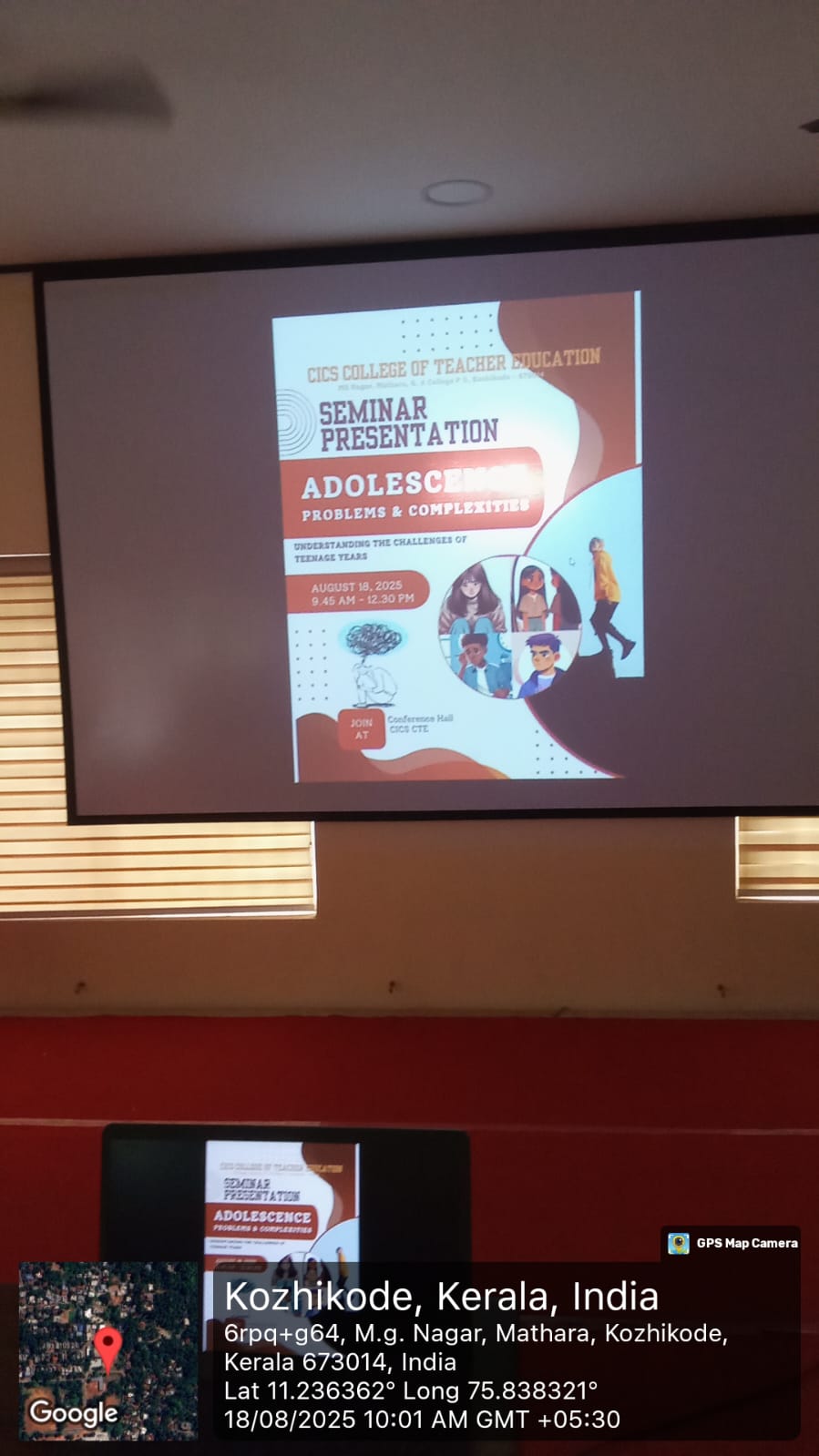
THE SEMINAR ON “ADOLESCENCE
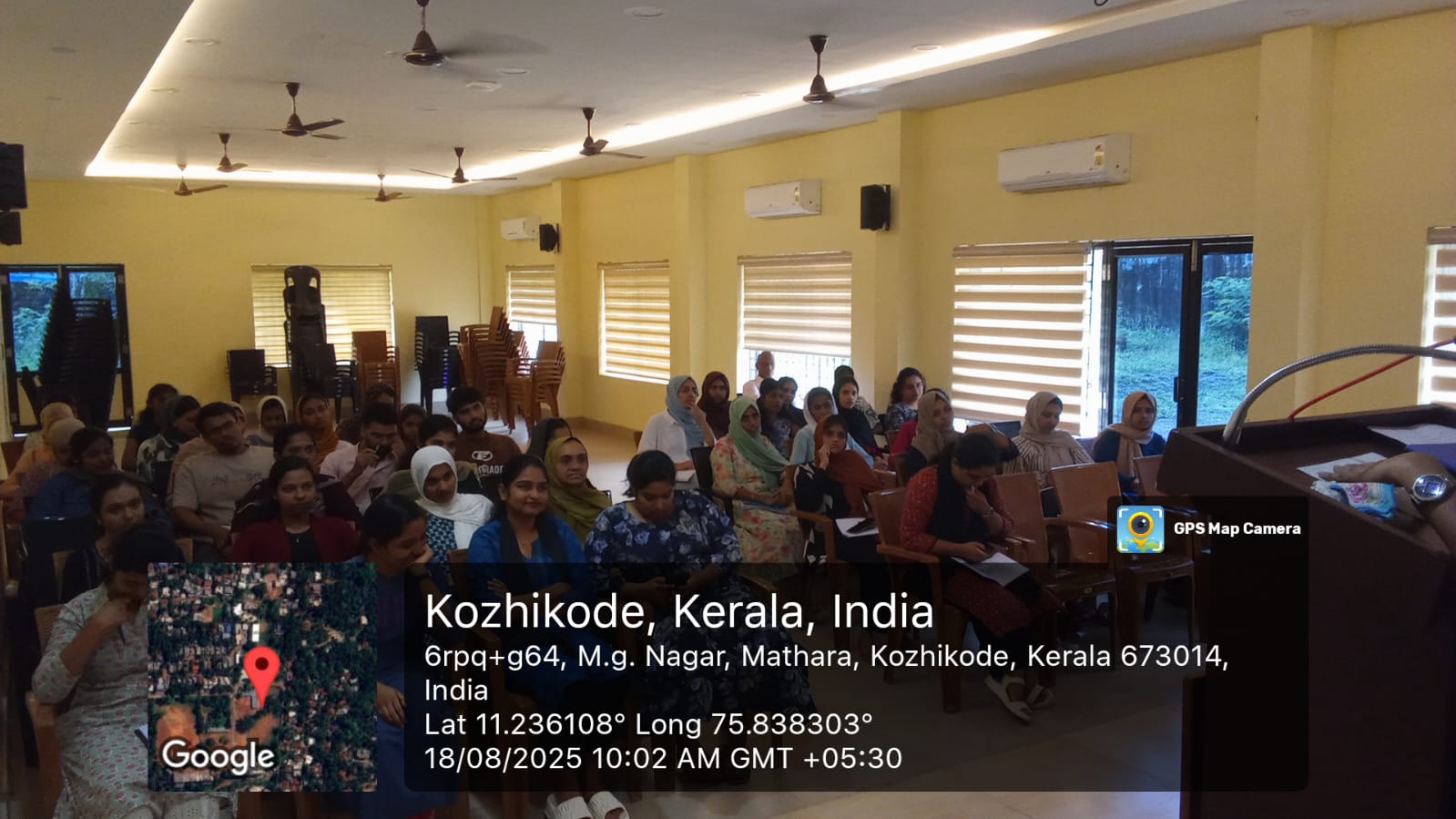
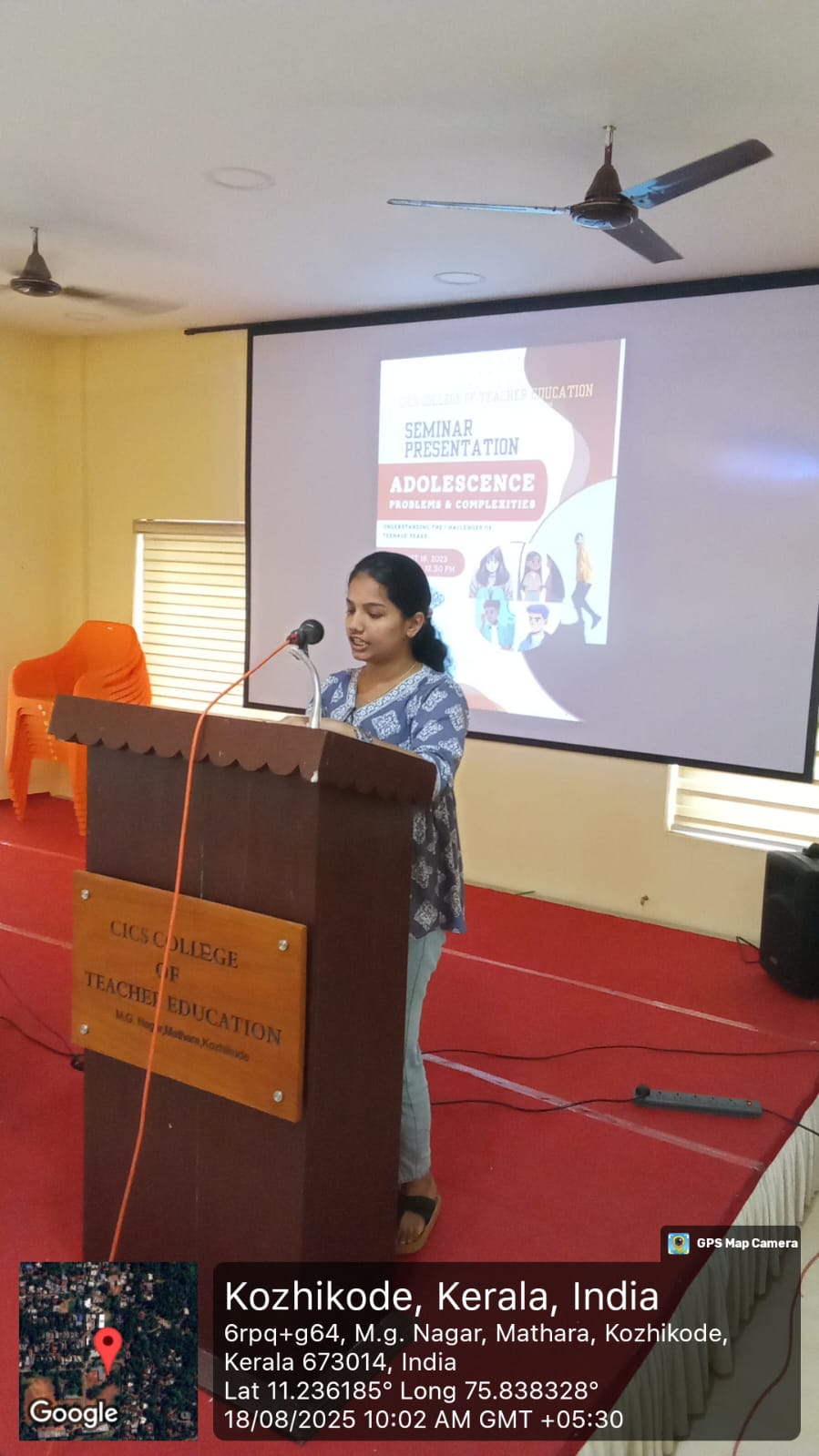
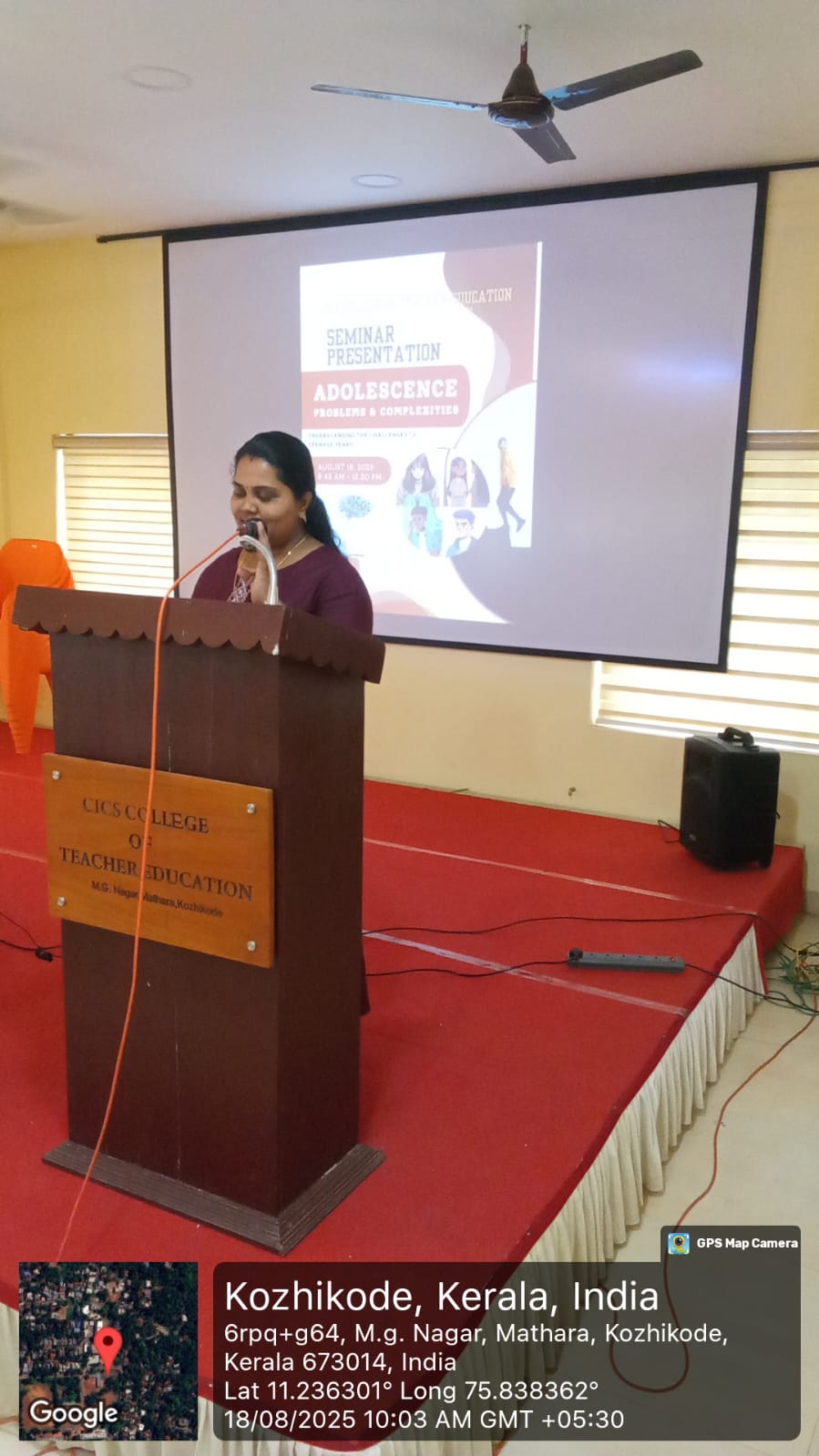
Problems and Complexities” was conducted at CICS College of Teacher Education on 18th August 2025 from 10:00 am to 12:30 pm. The program was organized with the objective of creating awareness about the multiple challenges faced by adolescents in today’s society and to provide insights into their causes, consequences, and remedies.
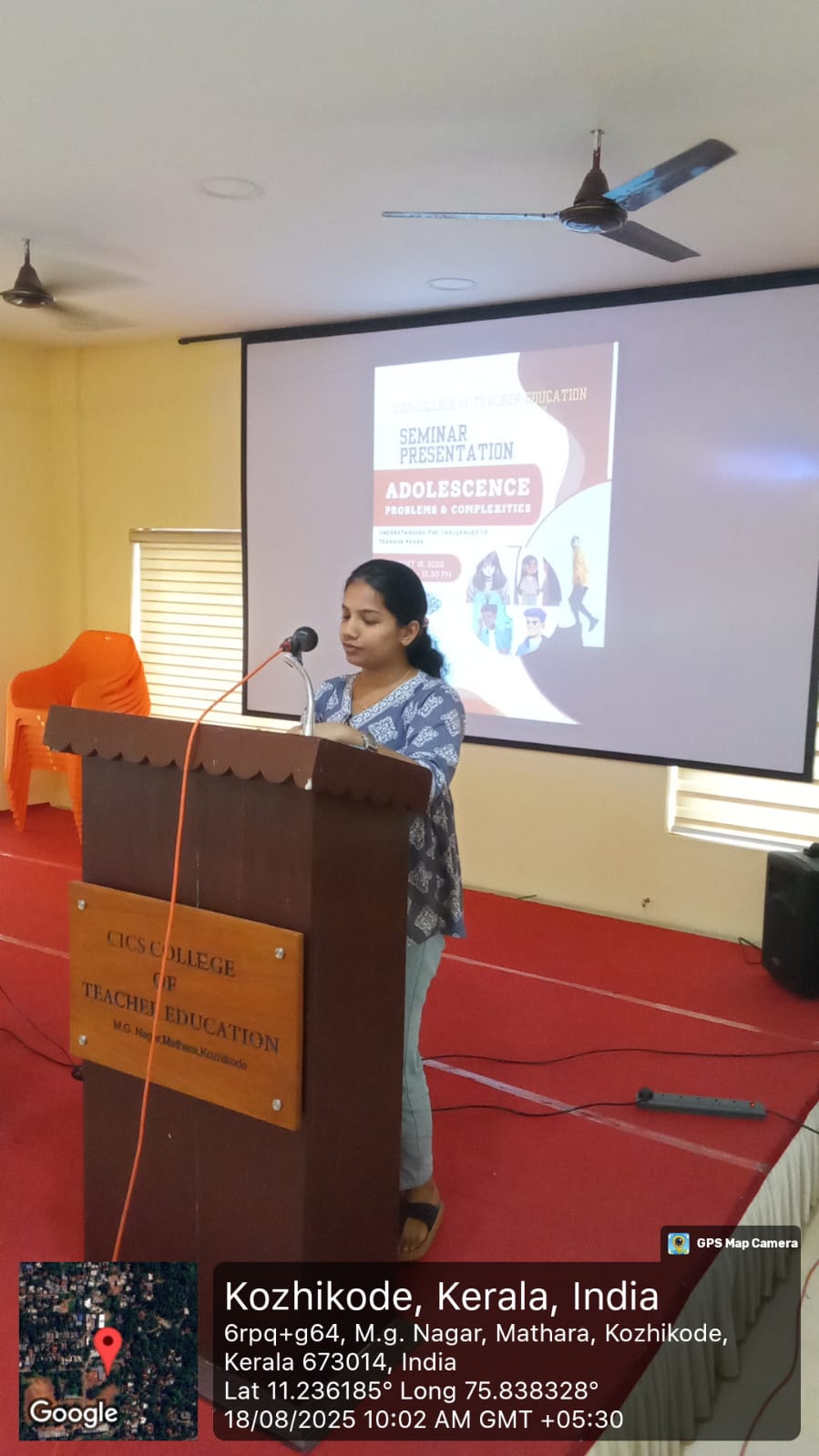
The session commenced at 10:00 am with a warm welcome extended by Sangeetha and Dhanya, who introduced the theme and emphasized the importance of addressing adolescent issues in a rapidly changing world. Their words set a positive and thoughtful tone for the seminar.
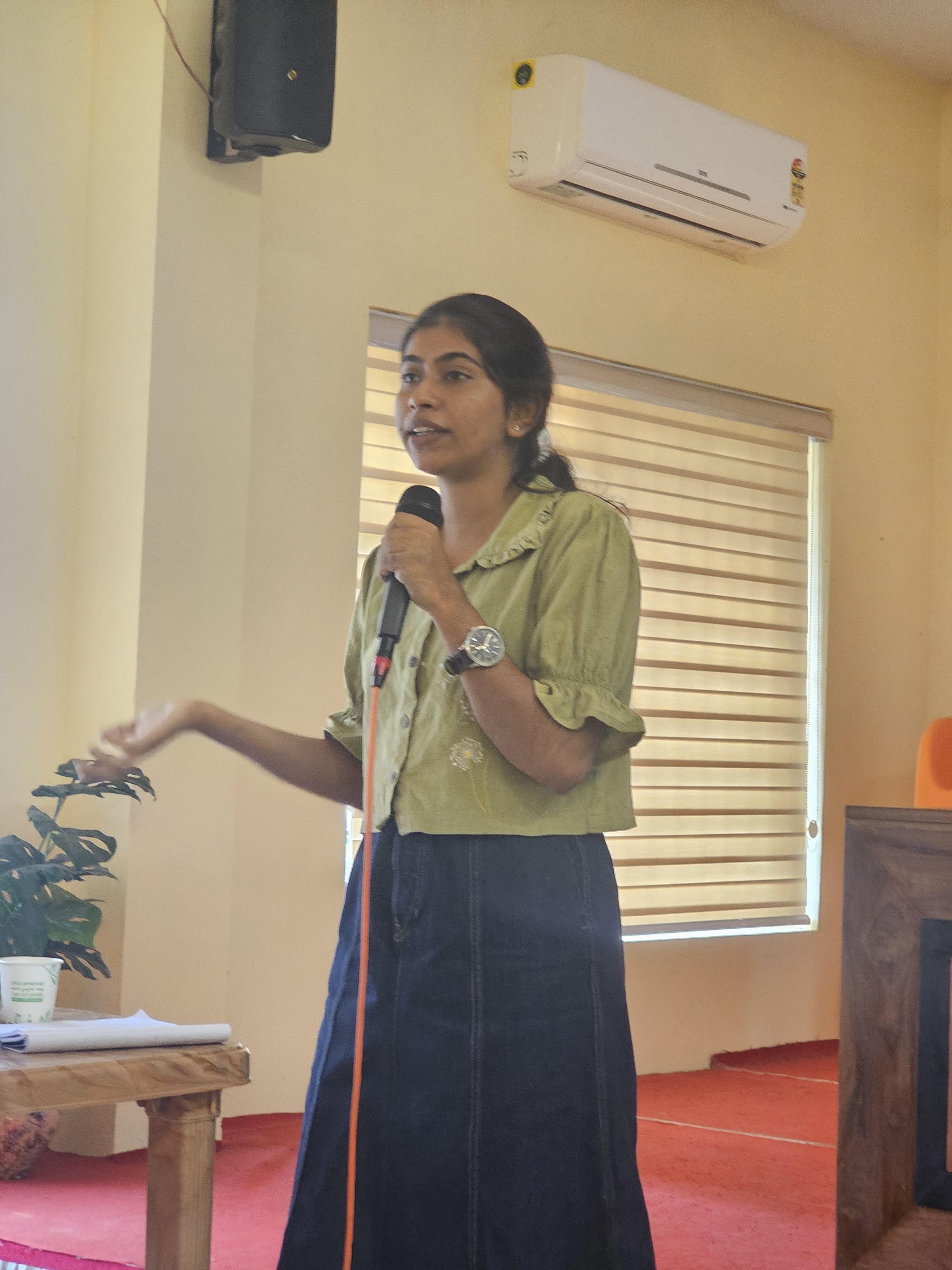
The first presentation was delivered by Aswathy, who spoke on the influence of peer groups on adolescents. She highlighted how friendships and peer interactions play a decisive role in shaping adolescent behavior. While healthy peer relations can promote confidence, teamwork, and social growth, negative peer pressure often leads to harmful practices such as disobedience, risky behavior, and substance use. Her talk underlined the need for adolescents to build strong decision-making skills to resist unhealthy peer influence.
Following this, Reethu Radhakrishnan presented on the influence of social media and the complexities of adolescence. She explained how social networking sites, though powerful tools for communication and learning, also expose teenagers to cyberbullying, comparison, and excessive screen addiction. She stressed the adverse effects of distorted body image, anxiety, and isolation caused by overuse of social media, while also reminding the audience that responsible and balanced digital engagement can contribute positively to adolescent development.
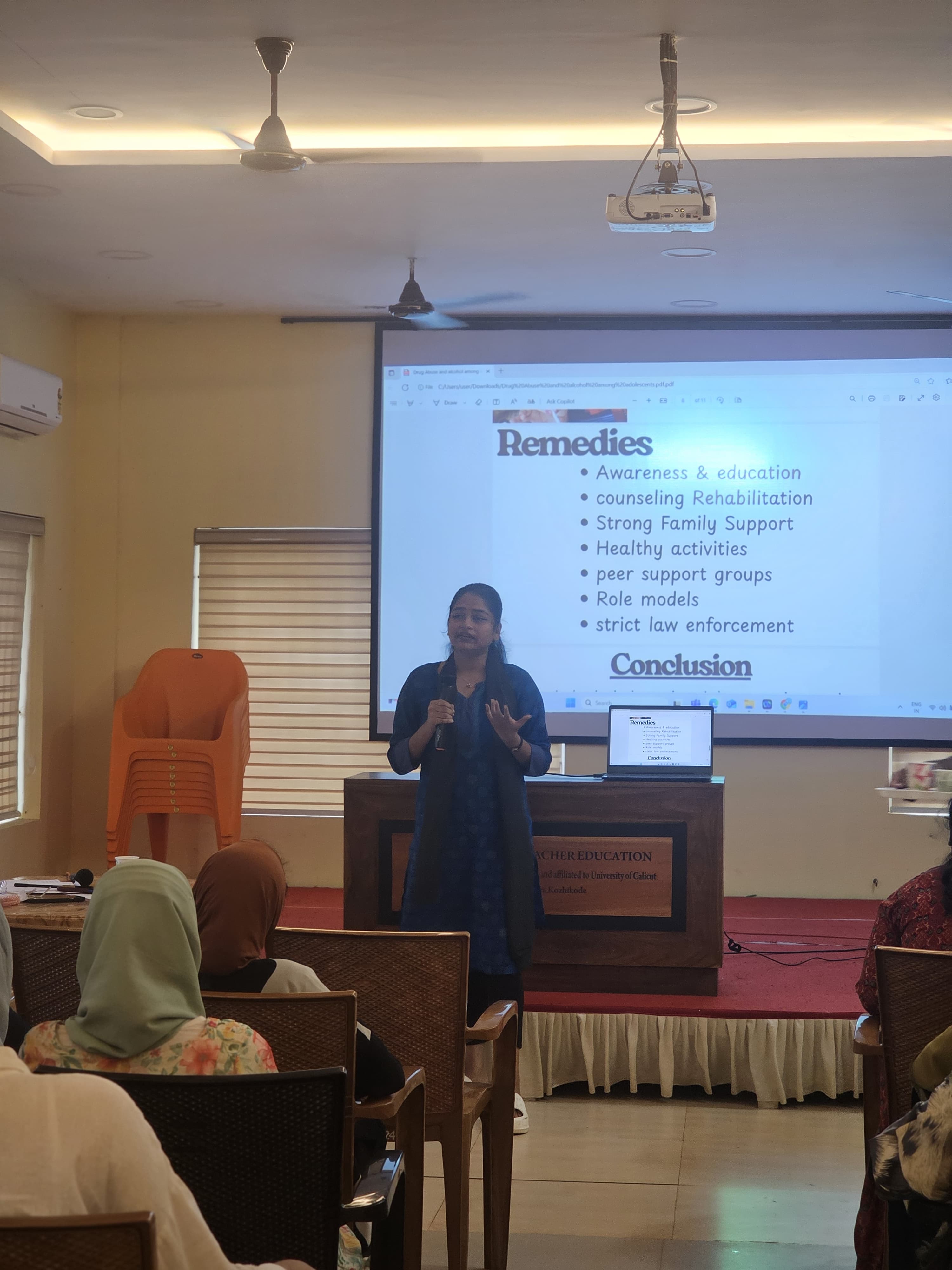
The third speaker, Junaina, addressed the highly sensitive topic of drug abuse and alcohol consumption among adolescents. She elaborated on the various causes such as curiosity, peer influence, family conflicts, and the glamorization of substance use in media. The harmful consequences were clearly explained, ranging from health deterioration and academic failure to addiction and criminal tendencies. She suggested remedies like awareness campaigns, strengthening family communication, stricter regulations on illegal sales, and the availability of counseling and rehabilitation services.
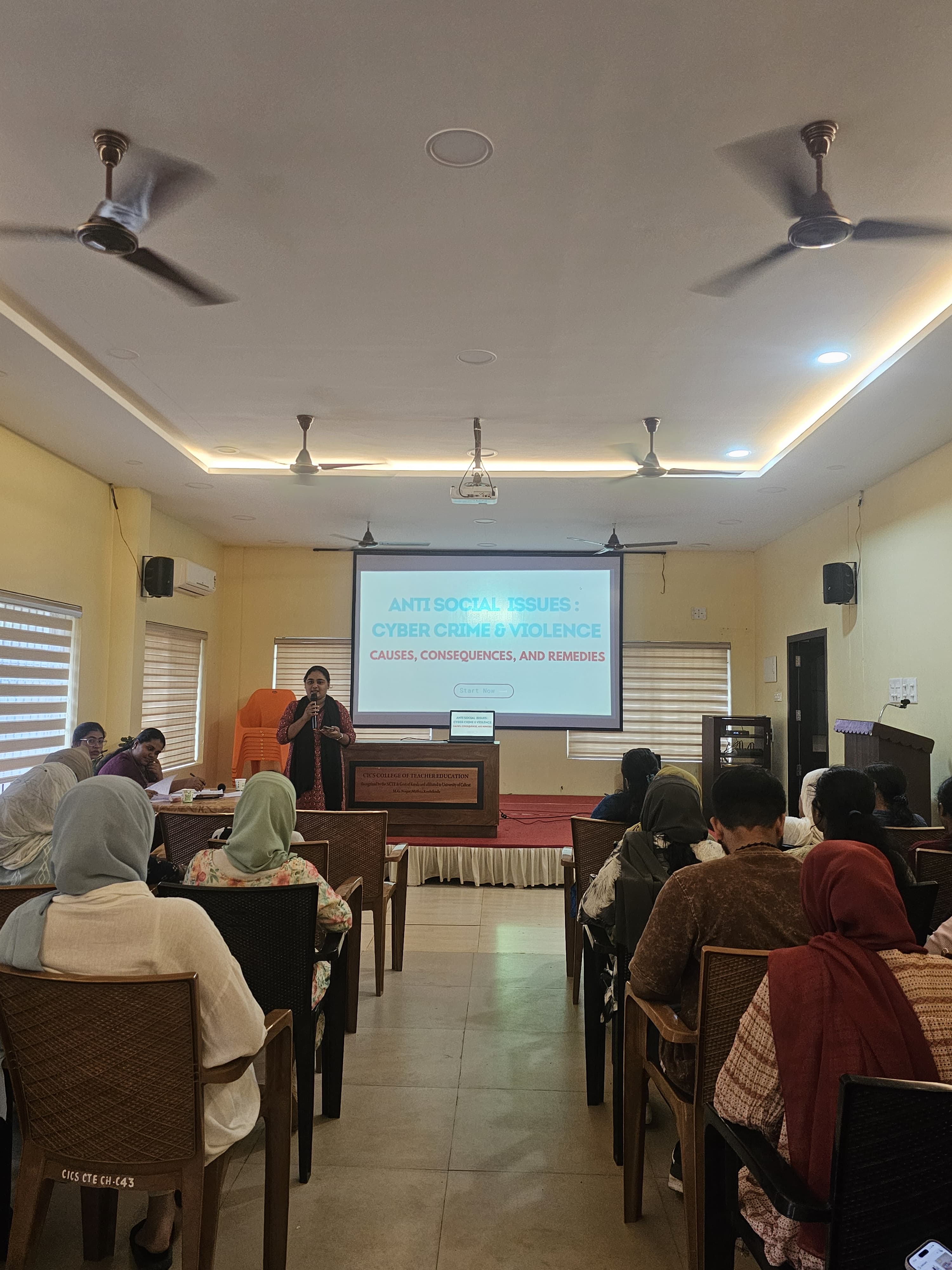
This was followed by Hiba’s presentation on antisocial issues, cybercrimes
, and violence. She analyzed the causes, including violent online content, lack of parental supervision, and frustration among youth. She also detailed the severe consequences of these behaviors, such as involvement in hacking, identity theft, aggressive tendencies, and social isolation. She called for urgent awareness of cyber safety, parental monitoring, and the encouragement of constructive alternatives such as sports, arts, and community service to channel adolescent energy in a positive direction.
The final presentation was by Visnupriya, who sensitively discussed adolescent problems related to suicide and depression. She spoke about the common causes including academic pressure, family disputes, bullying, and untreated mental health issues. With compassion, she explained the painful consequences of depression, including hopelessness, social withdrawal, and suicidal ideation. She urged the audience to pay attention to early signs of mental distress, emphasized the importance of emotional support from family and teachers, and recommended professional counseling to prevent tragic outcomes.
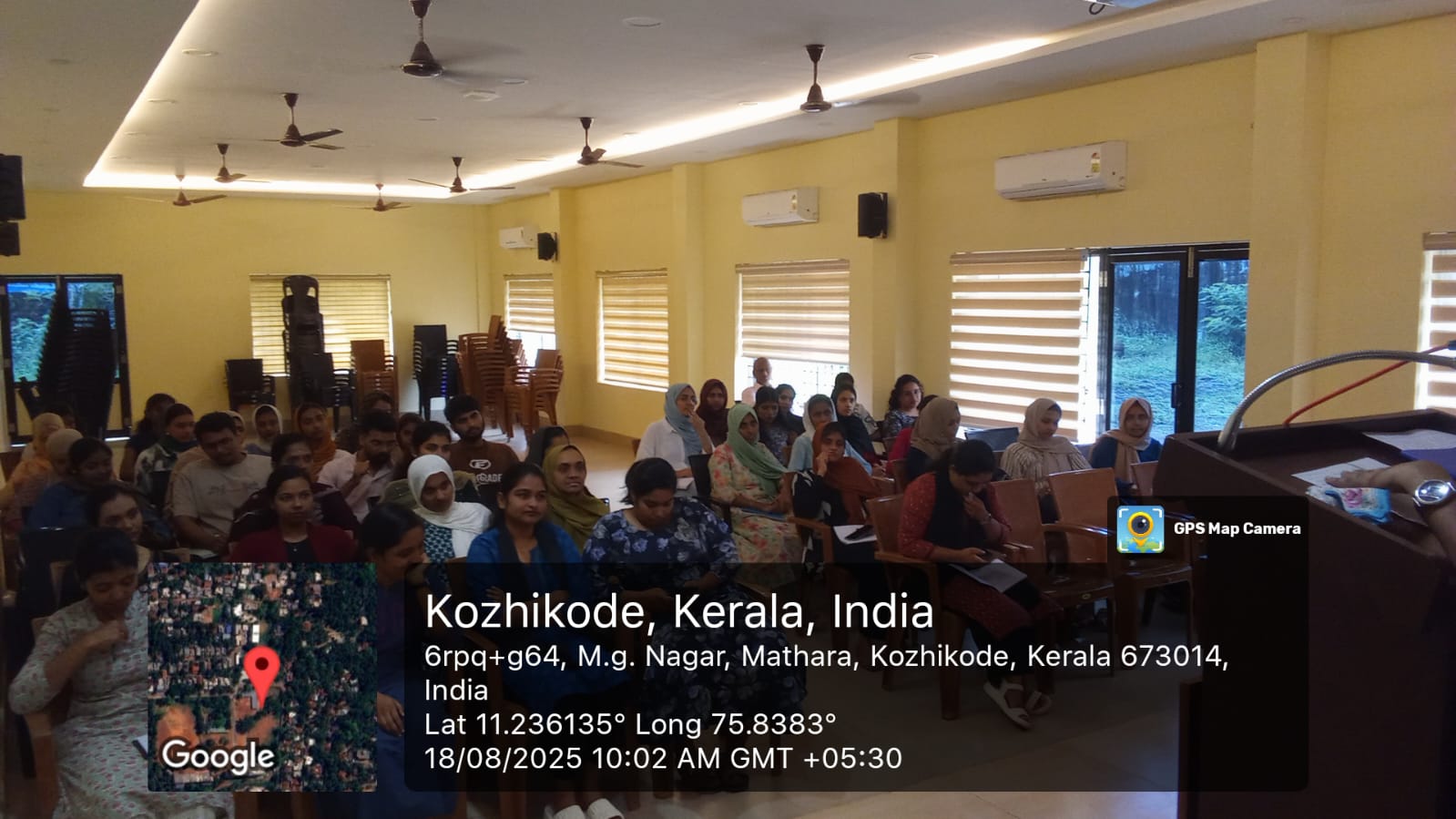
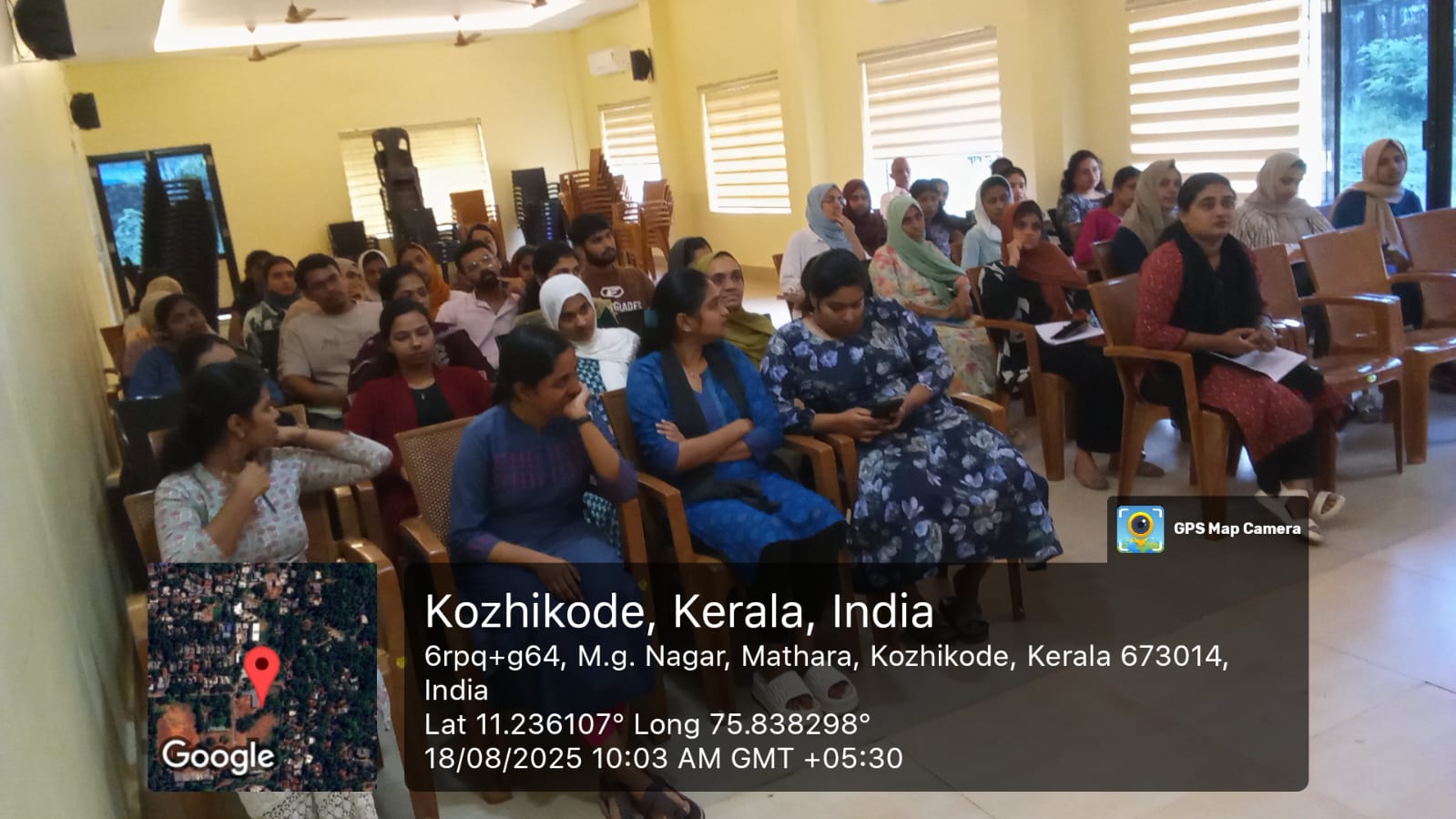
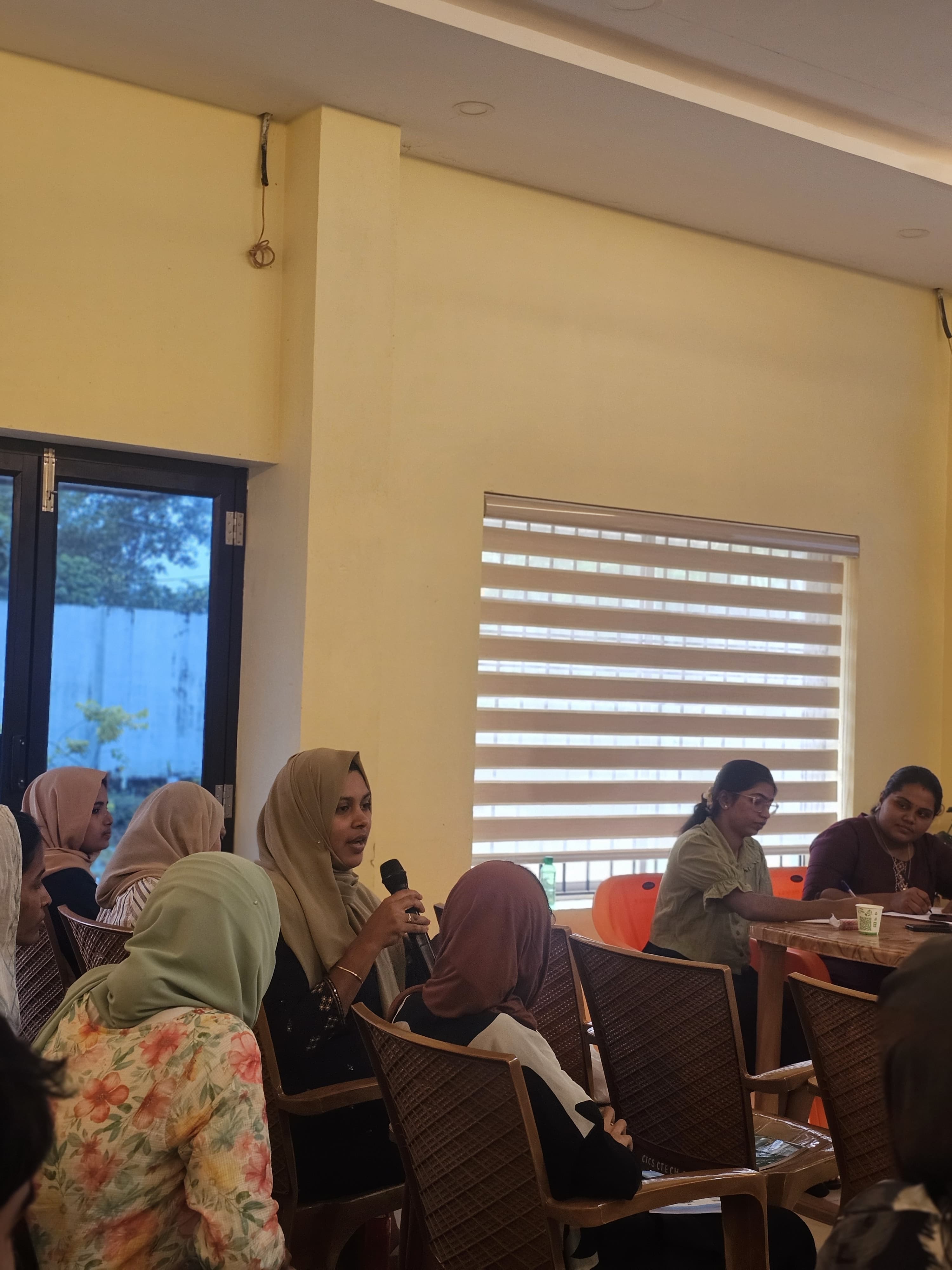
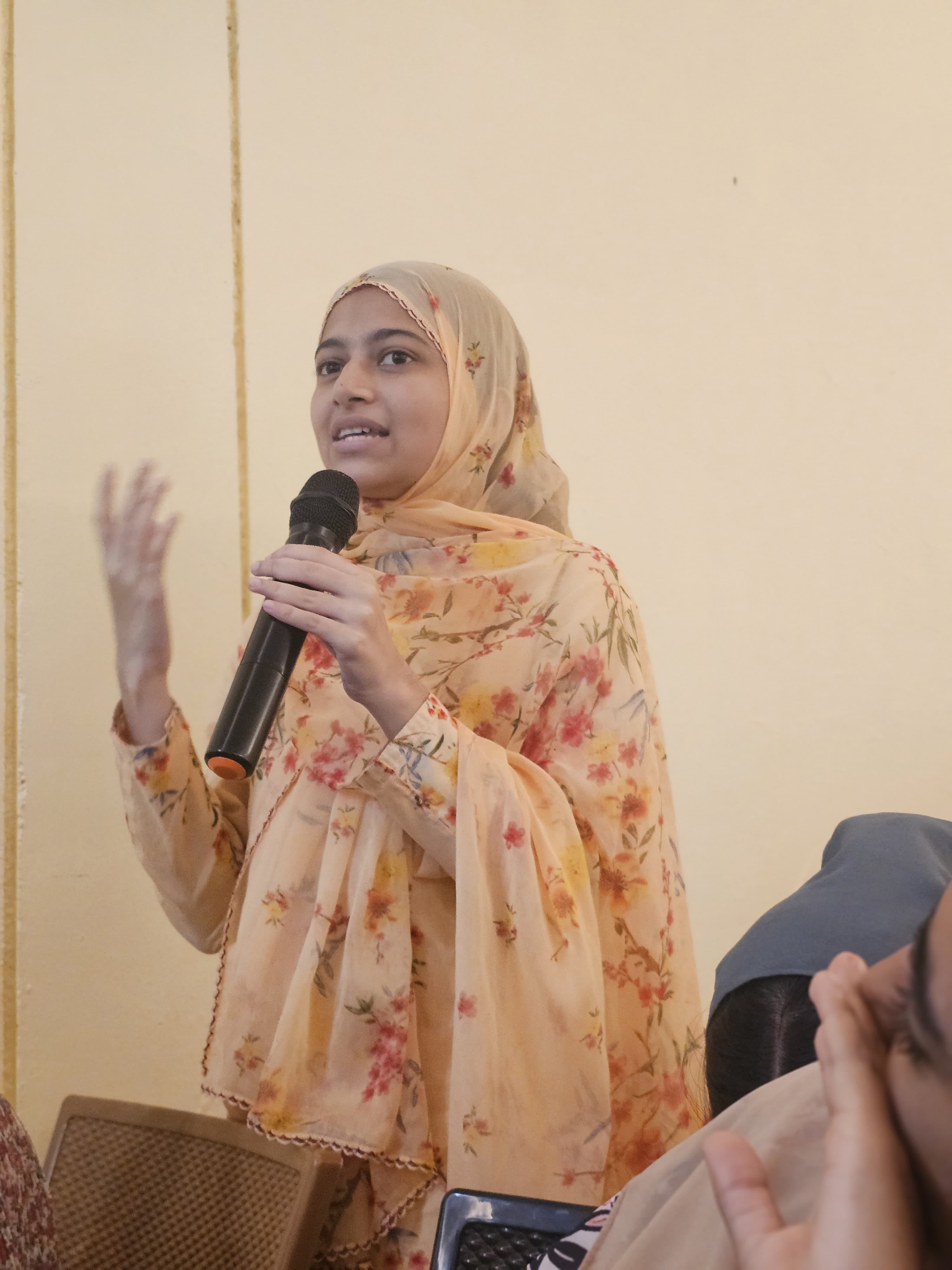
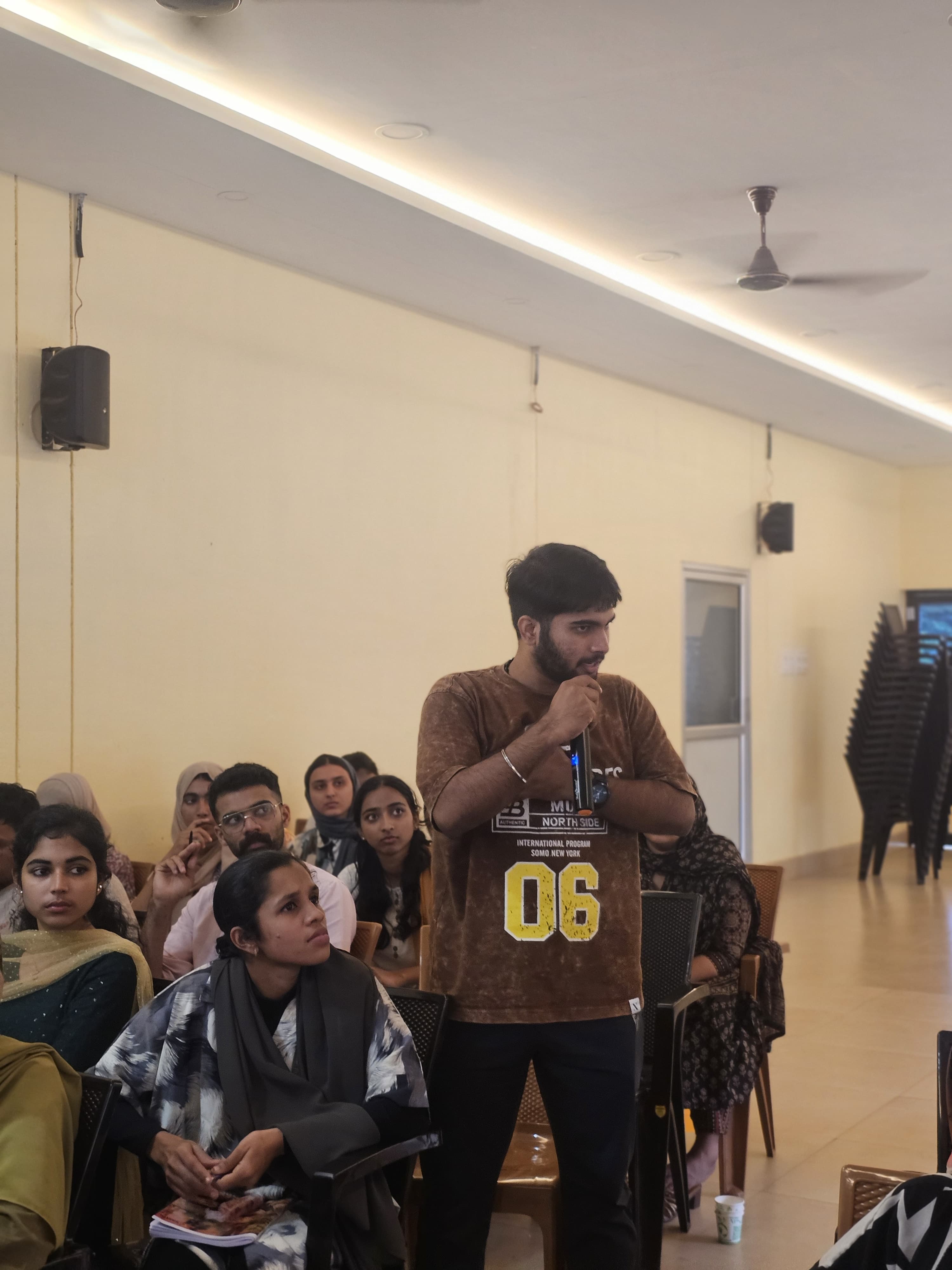
The seminar also received an active and positive response from the audience. Students including Reethu Radhakrishnan, Nasheedha, Hiba, Neha, Farzana, Rincy, Famisha, Hishana, Dhanya, Athul, Marjaan, Farzana, Dilshana, Roshan, Shahana, Farzana, Liya, and Maya shared their reflections, asked questions, and engaged in meaningful discussion. Their participation made the session more interactive and lively, proving the relevance of the topic to everyday student life.
After these insightful sessions, Navya proposed the vote of thanks. She expressed her gratitude towards all the presenters for their dedicated efforts, the audience for their active participation, and most importantly, to the subject teacher of Psychology, whose valuable guidance and encouragement made the seminar possible.
The seminar concluded successfully, leaving a lasting impression on all who attended. The presentations were not only informative but also deeply thought-provoking, shedding light on the delicate phase of adolescence and the urgent need to support teenagers through awareness, empathy, and timely intervention. The program truly fulfilled its purpose of educating the audience about the complexities of adolescent life and the collective responsibility of society in guiding them towards a healthy future