

National Conference on Integrated Teacher Education :A Professional Trajectory towards Viksit Bharat- 2047
Conference Report
Integrated Teacher Education – A Professional Trajectory towards Viksit Bharat 2047
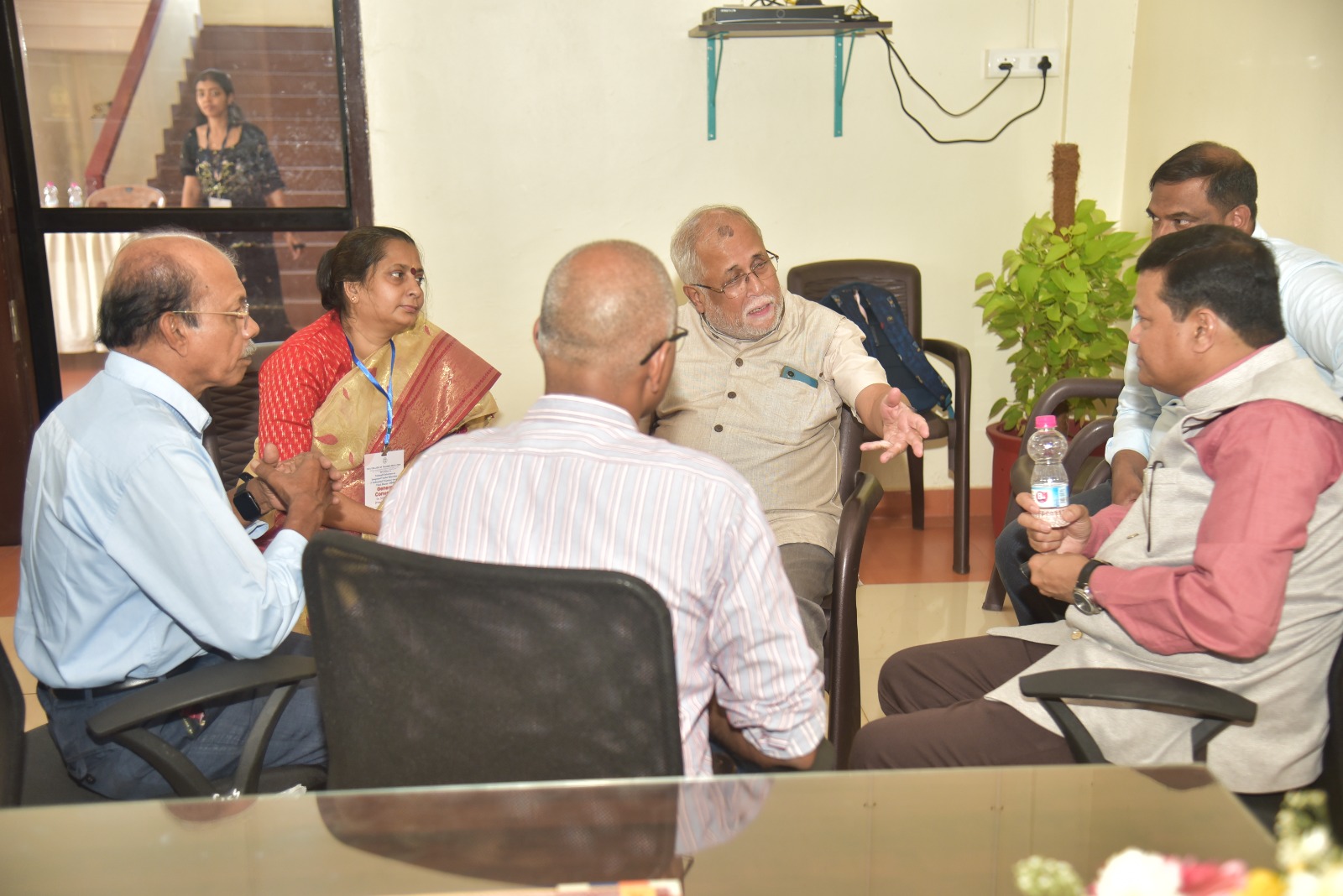
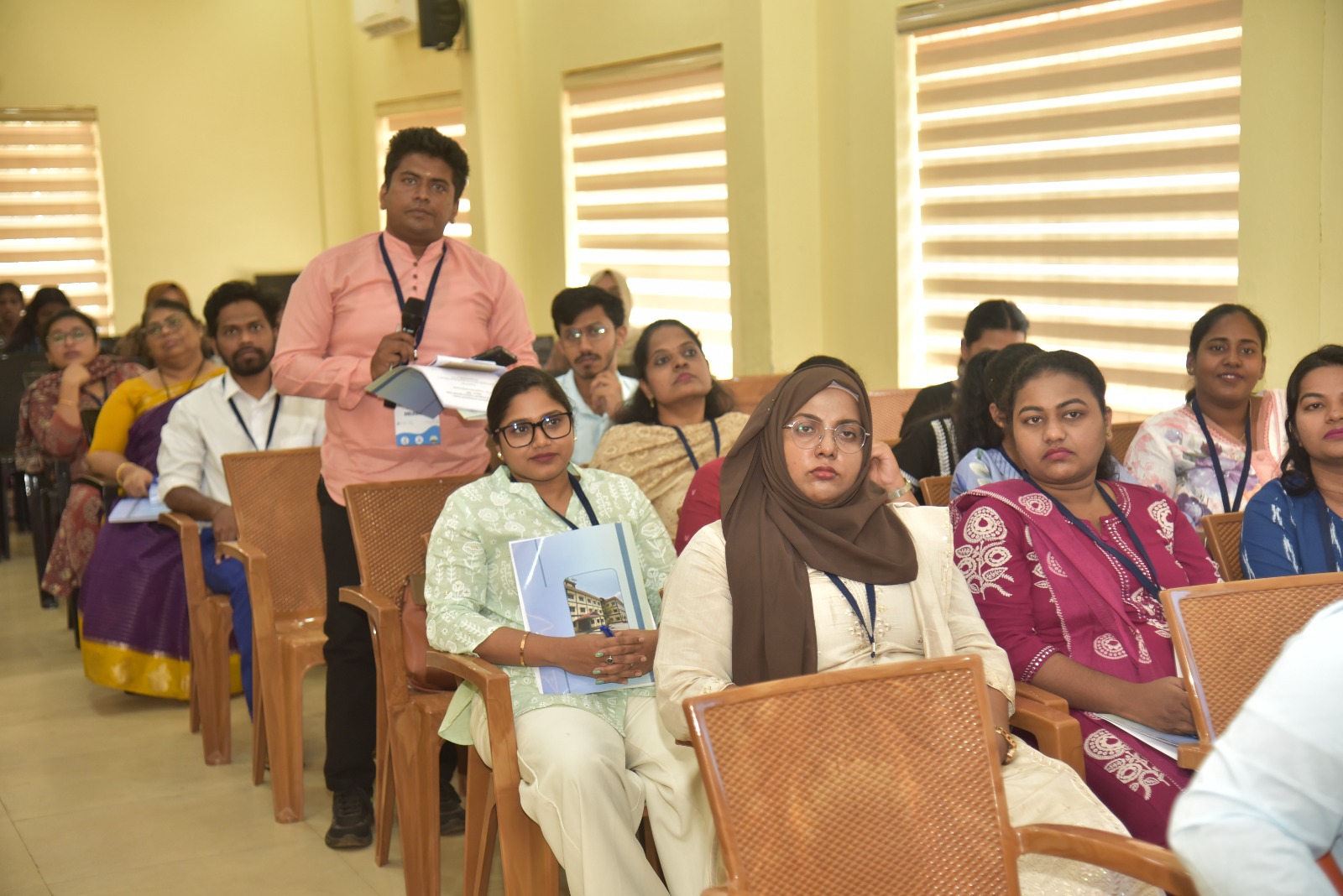
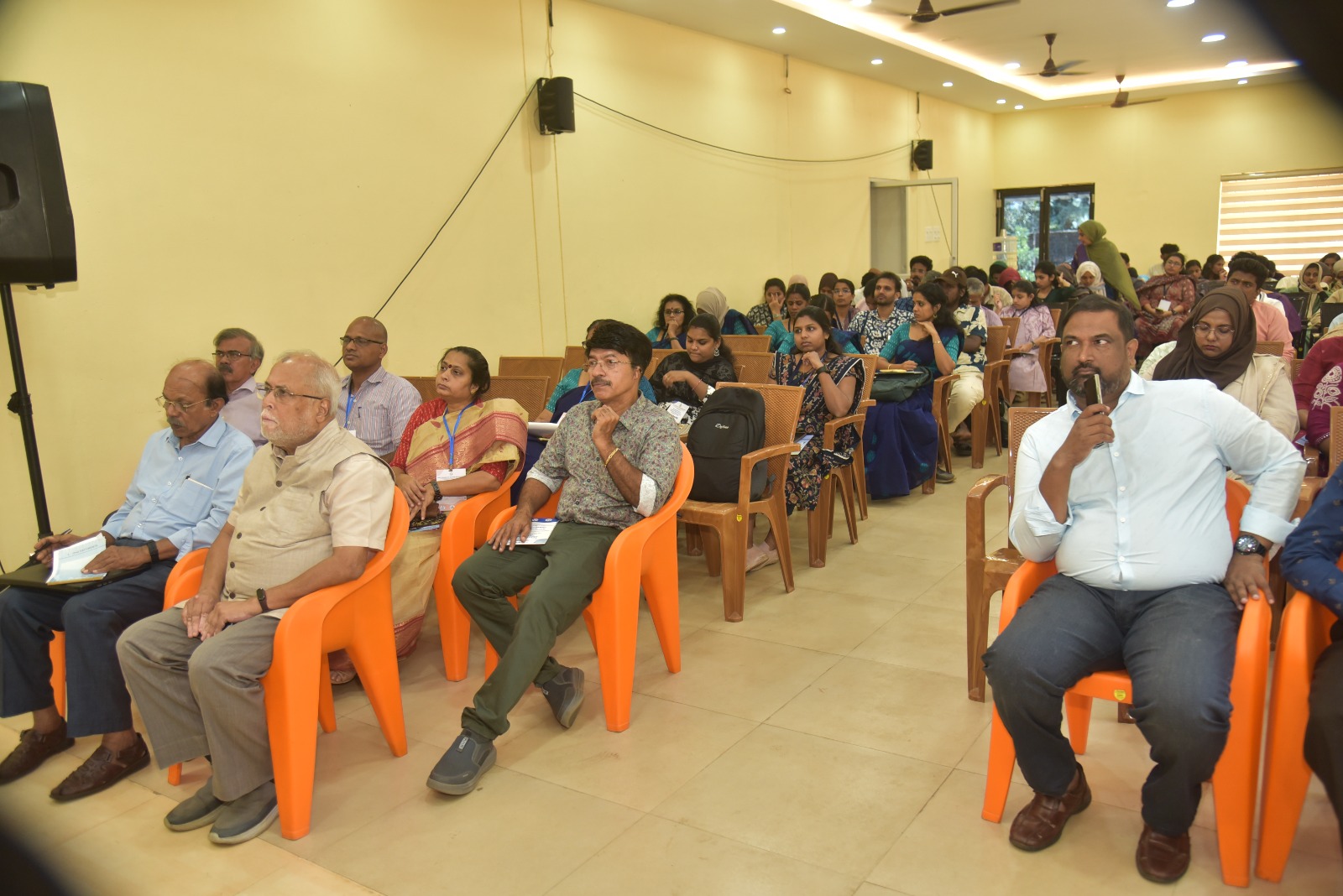
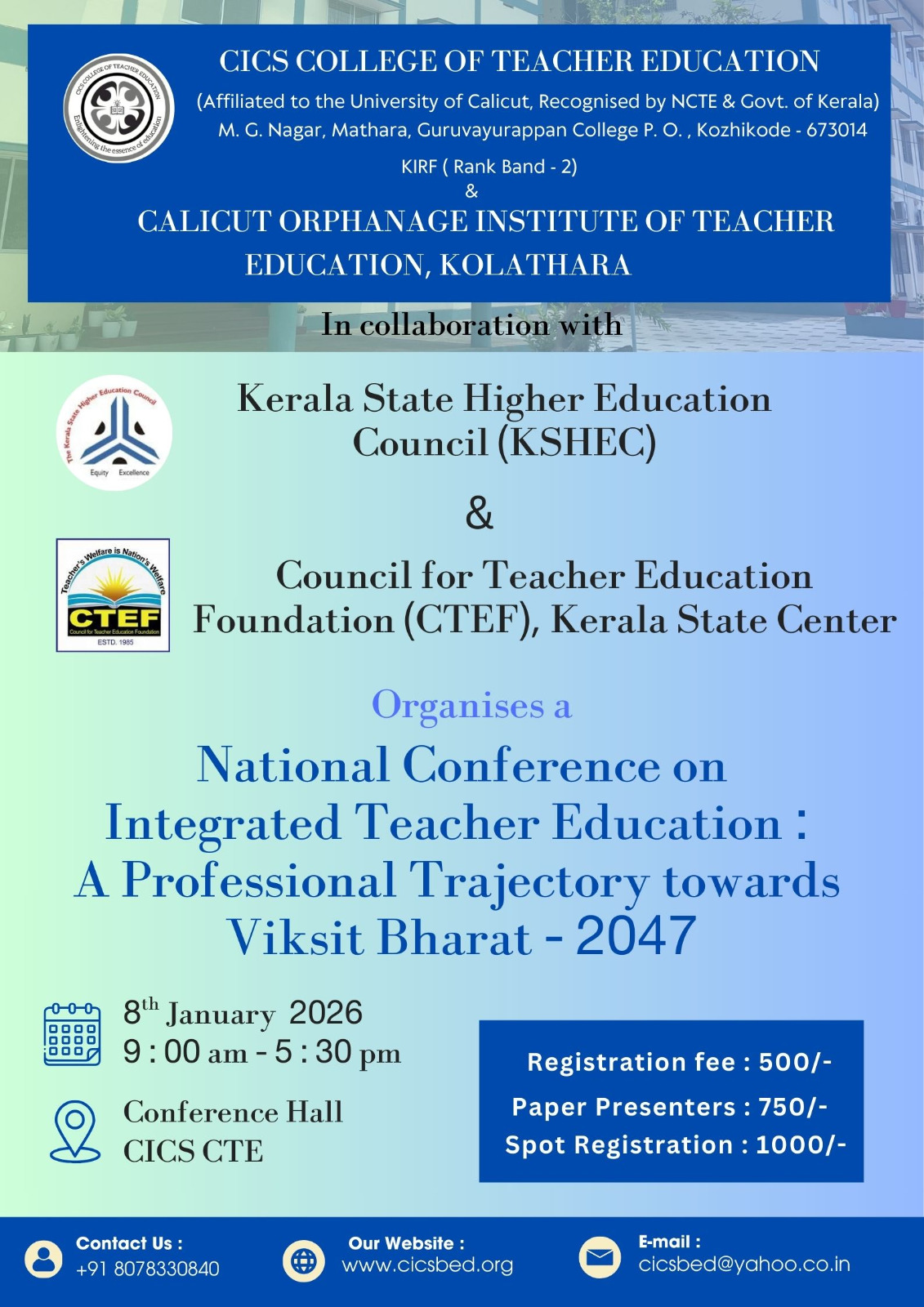
CICS College of Teacher Education, Maathara, Kozhikode, hosted a trail blazing one-day National Conference on January 8, 2026. Titled Integrated Teacher Education: A Professional Trajectory towards Viksit Bharat – 2047, the event unfolded at the college venue starting at 9:45 a.m. This gathering united academicians, educationists, administrators, teacher educators, and research scholars to explore critical advancements in teacher education.
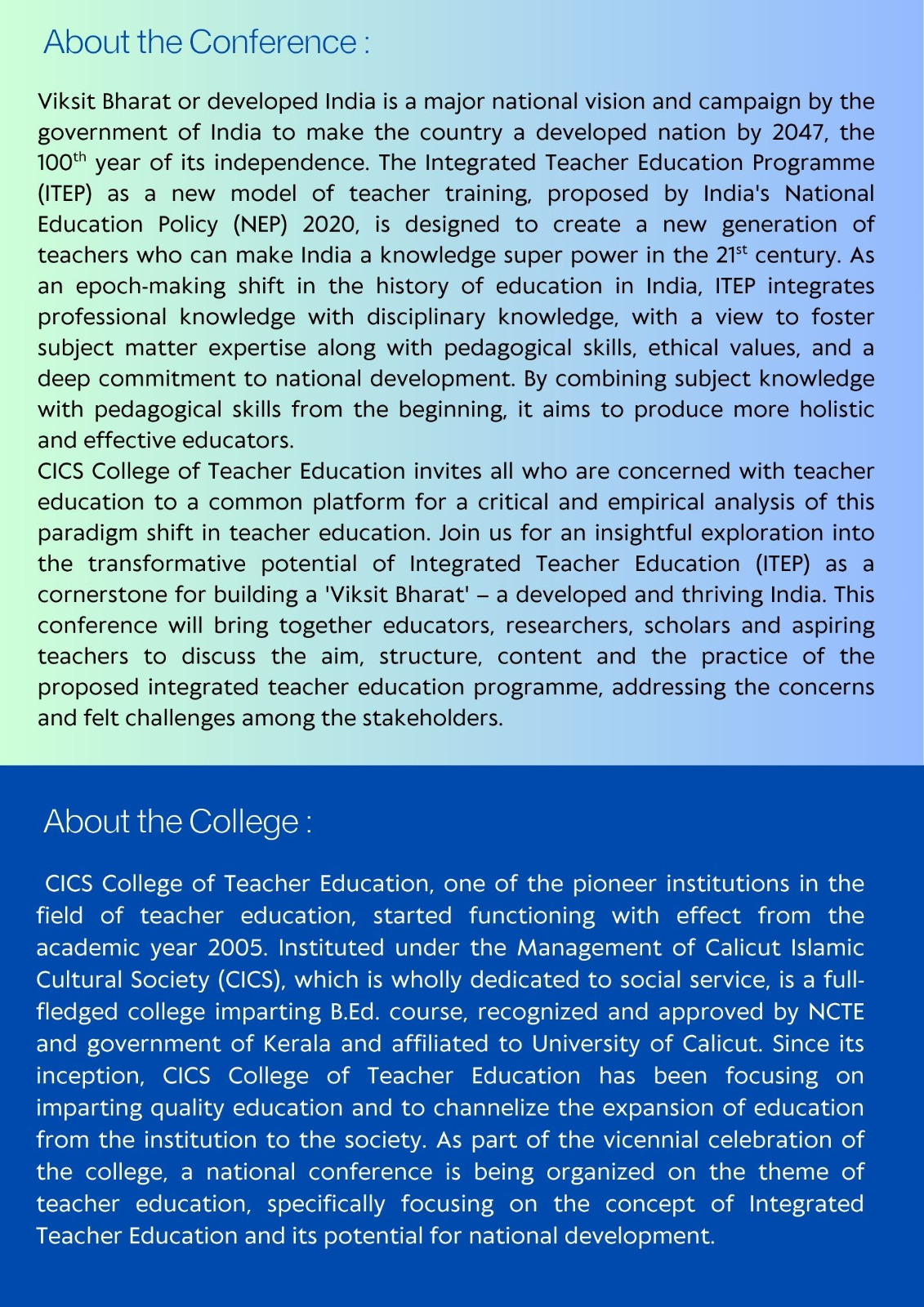
The conference underscored the transformative potential of the Integrated Teacher Education Programme (ITEP) in aligning educator training with India’s ambitious vision of becoming a developed nation, Viksit Bharat, by 2047.
Conference Theme
The theme, “Integrated Teacher Education: A Professional Trajectory towards Viksit Bharat – 2047,” positions ITEP as a cornerstone for reimagining teacher preparation in alignment with the National Education Policy (NEP) 2020. ITEP integrates general education, disciplinary knowledge, and pedagogical training into a seamless four-year multidisciplinary program, moving beyond fragmented B.Ed. models to foster holistic, research-oriented professionals equipped for 21st-century challenges.
This theme holds profound relevance amid India’s journey to Viksit Bharat—a vision articulated by Prime Minister Narendra Modi for a self-reliant, technologically advanced economy by 2047. Teacher education serves as the linchpin, producing educators who drive inclusive growth, innovation, and sustainable development. Traditional systems often silos content mastery from teaching skills, yielding rote learners ill-suited for dynamic global demands like AI integration, interdisciplinary learning, and cultural preservation. ITEP addresses this by emphasizing equity, inclusivity, and social justice, blending Indian Knowledge Systems (IKS) with modern tools such as virtual labs and transcultural pedagogy. In a nation grappling with educational disparities, quality erosion, and post-pandemic disruptions, the theme advocates systemic reforms: curriculum flexibility for aspiration-driven learning, teacher-as-social-transformer roles, and alignment with Sustainable Development Goal 4 (Quality Education). By nurturing self-reliant educators, ITEP propels human capital formation essential for economic leapfrogging, democratic values infusion, and cultural renaissance.
Inaugural Session
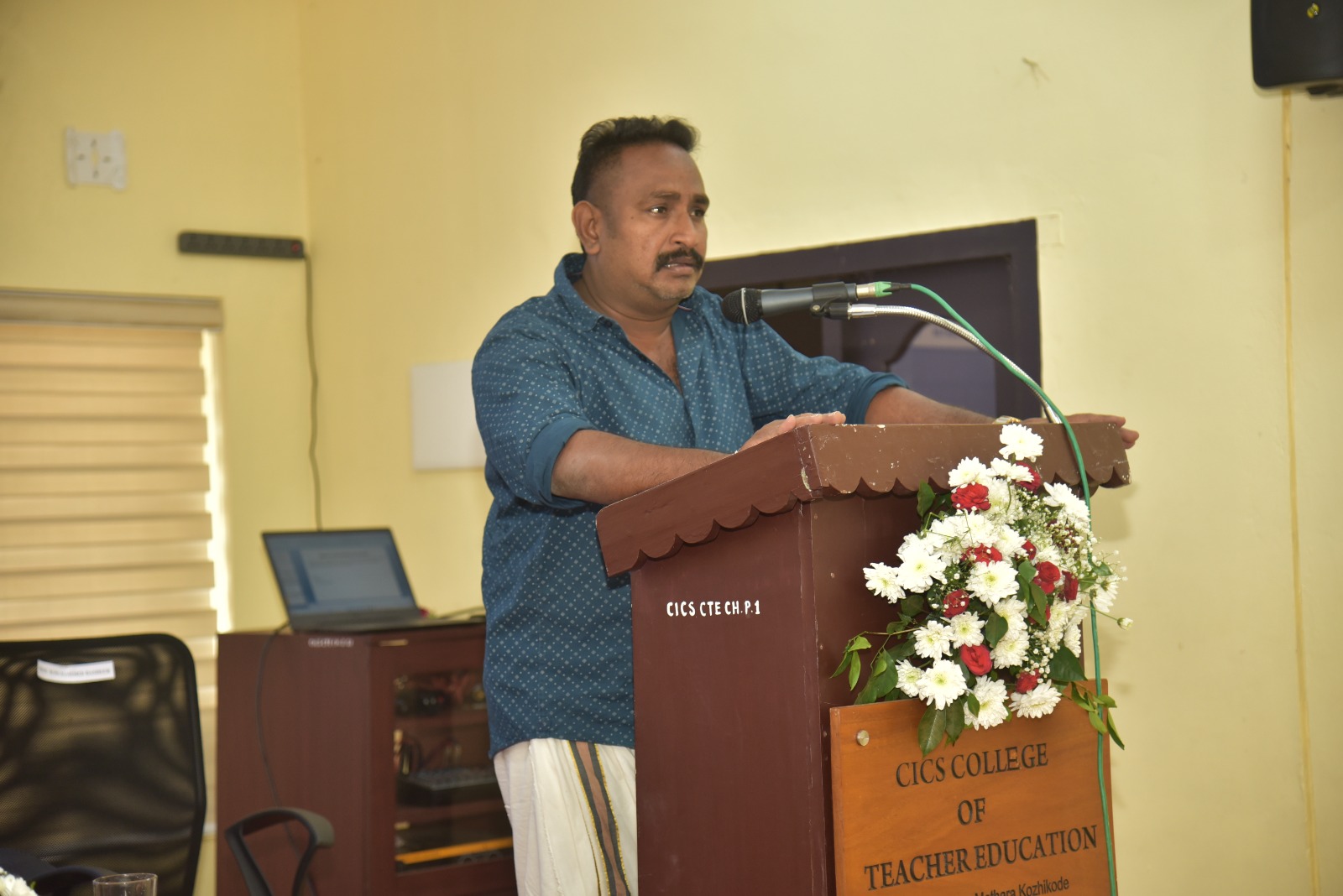
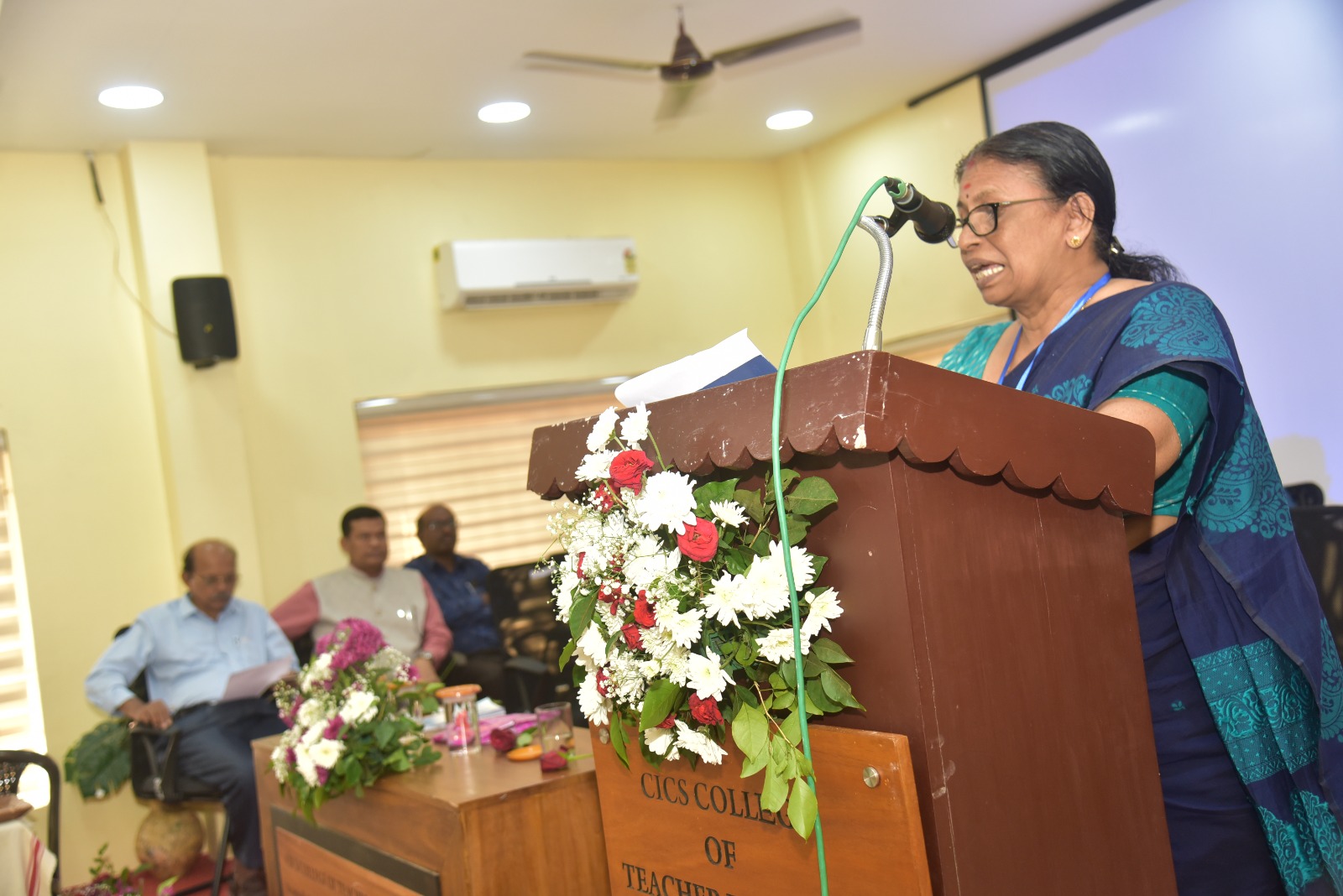
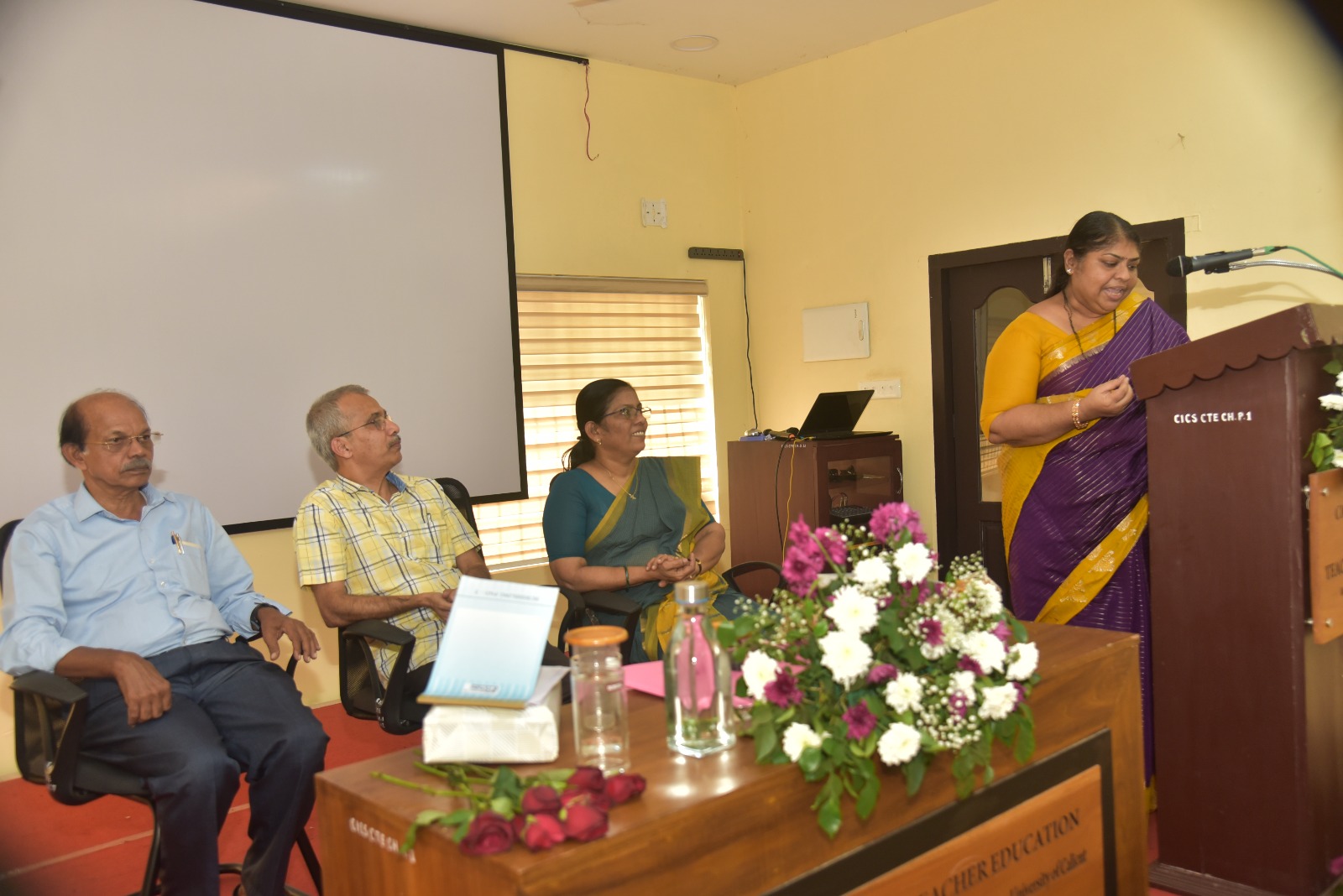
The conference opened promptly at 9:45 a.m. with Dr. Shylaja C. V., Principal, delivering the Welcome Address. She portrayed ITEP as a “transformative pathway” and a roadmap dissolving pedagogy-content divides, warmly greeting dignitaries.
Adv. M. Muhammed, Secretary, delivered the Presidential Address, reaffirming the institution’s dedication to excellence and national progress.
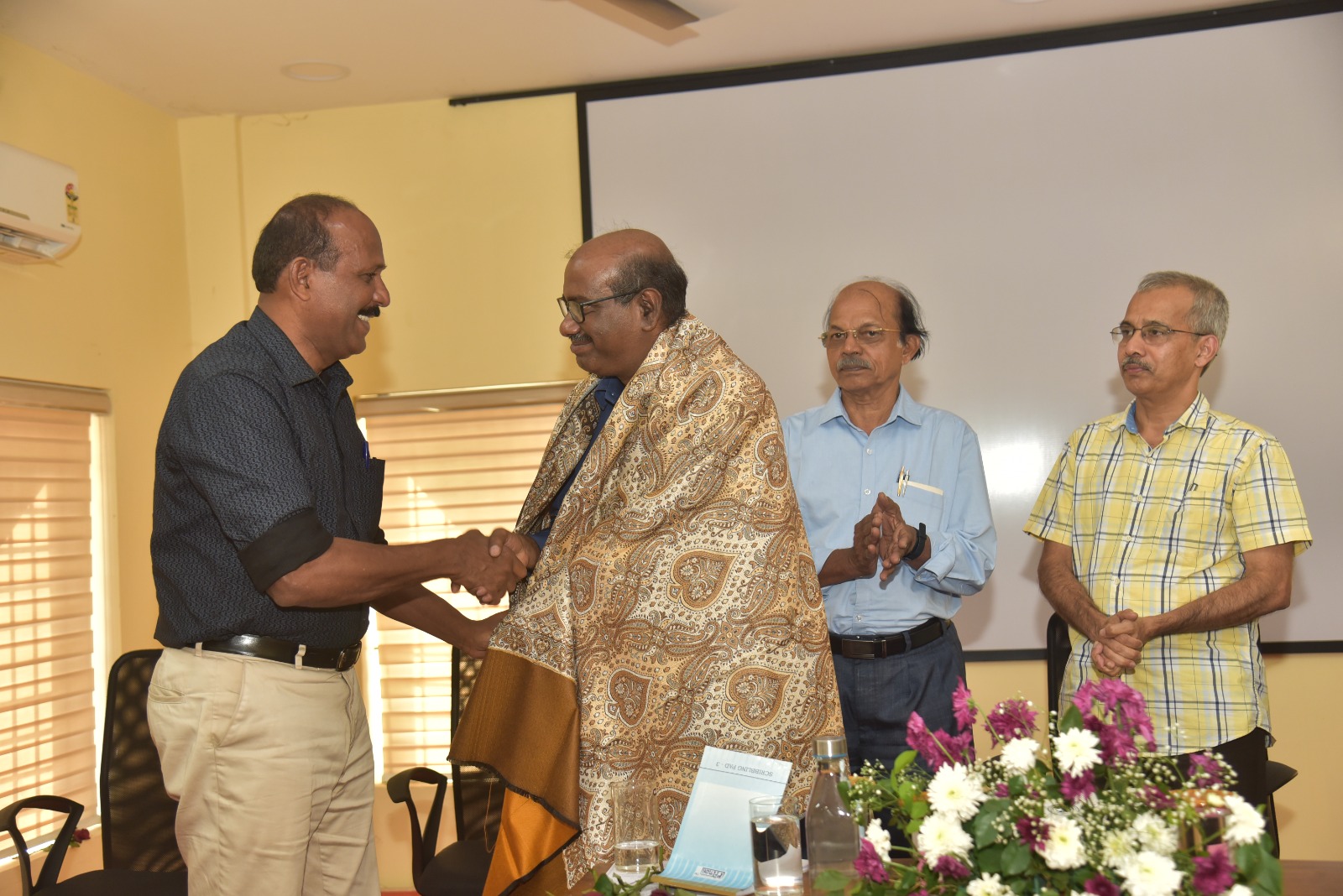
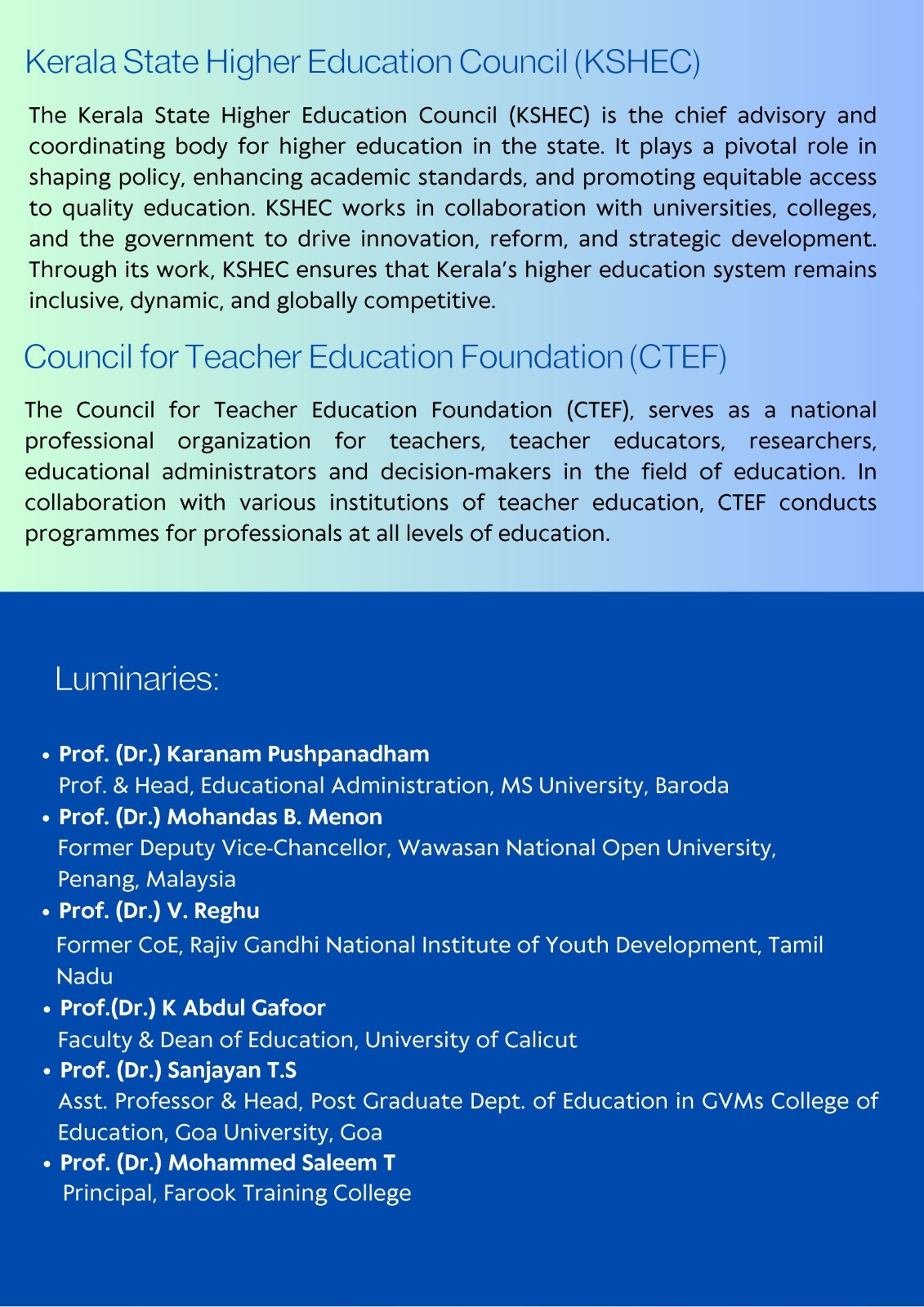
Prof. (Dr.) Mohandas B. Menon, Former Deputy Vice-Chancellor, Wawasan Open University, Malaysia, inaugurated the conference and delivered the keynote address.
Keynote Address
Prof. Dr. Mohan B. Menon's inaugural and keynote address at the National Conference on Teacher Education delivered a visionary roadmap for transformative reforms in India's teacher education landscape, emphasizing quality enhancement amid evolving pedagogical demands.
Prof. Dr. Mohan B. Menon serves as the Chairperson of the Integrated Teacher Education Programme (ITEP) Committee, constituted by the Kerala State Higher Education Council (KSHEC), with extensive leadership experience including former Deputy Vice-Chancellor (Academic-OCL) and roles in international education programmes.
His address, titled "Towards Transformational Changes in Teacher Education in India: Challenges and Opportunities," synthesizes policy imperatives from NEP 2020 with practical institutional reforms. Deliberating on Quality Imperatives in Teacher Education, Dr. Menon underscored the persistent quality deficits in teacher education, critiquing fragmented training models that fail to align with holistic national goals. He highlighted NCTE's primary mandate for school education quality, noting gaps in preparing educators for integrated, multidisciplinary classrooms.
Outsourcing teaching to technology emerges as a double-edged strategy: while it promises scalability, it risks diluting pedagogical depth unless embedded in robust professional development frameworks.
Central to the address was ITEP's architecture, which mandates seamless integration of pedagogy with subject disciplines across disciplinary (e.g., sociology, philosophy) and professional aspects. This dual-focus model—spanning foundational theory and applied practice—aims to produce reflective practitioners capable of stage-wise integration from foundational to secondary levels. Dr. Menon positioned ITEP as a paradigm shift, encompassing the "entire teacher development continuum" through continuous professional evolution rather than isolated pre-service training.
The keynote emphasized equipping teachers with 21st-century skills, particularly critical thinking and technology proficiency, to bridge generational divides. Dr. Menon delineated teacher education's multiple dimensions, including addressing local-national-international gaps in curriculum relevance. A poignant challenge raised was technology-apprehensive teachers confronting digital-native students, necessitating systemic support for digital pedagogy adoption.
He dissected ITEP’s opportunities against quality challenges, urging a lifelong professional development model over mere certification.
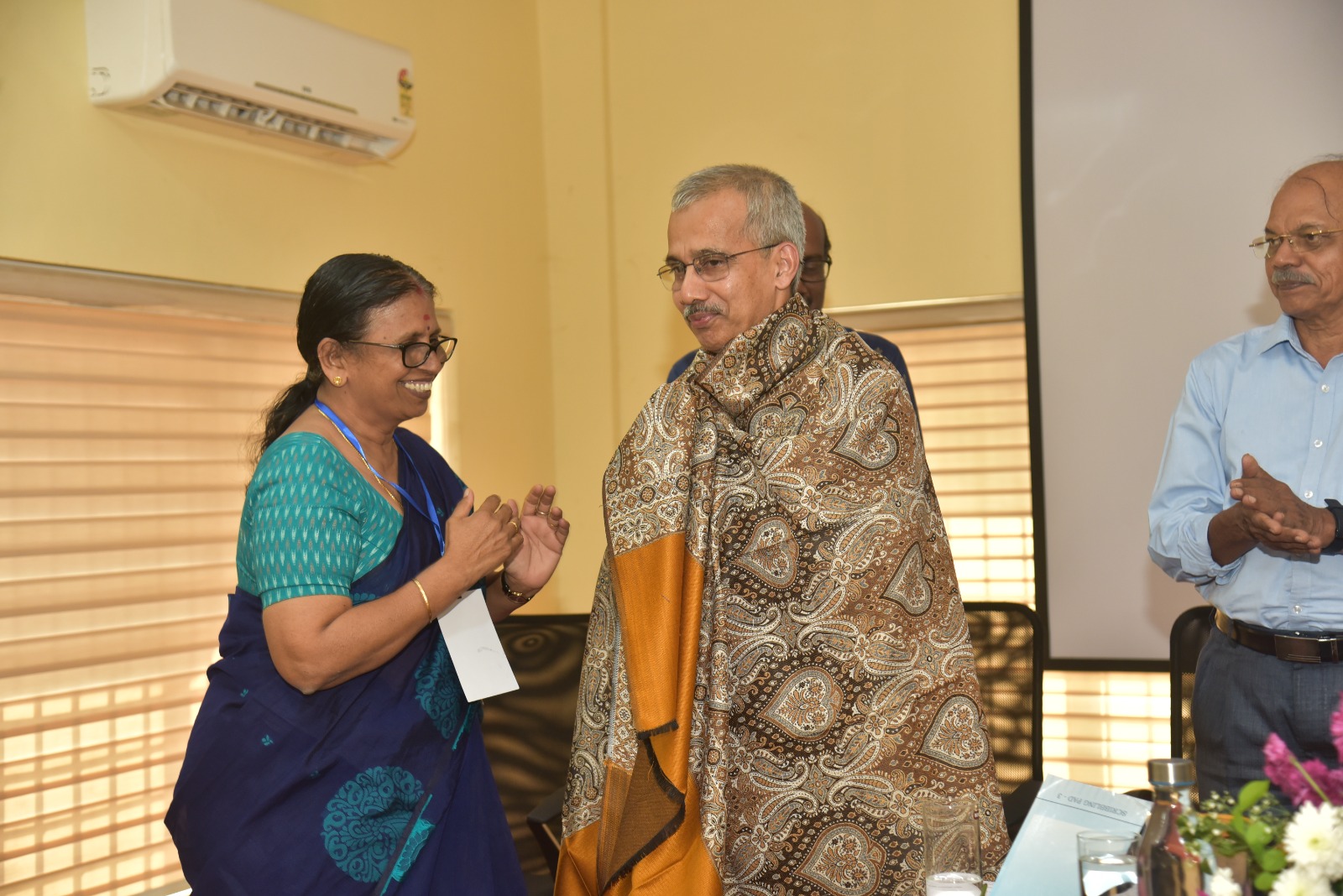
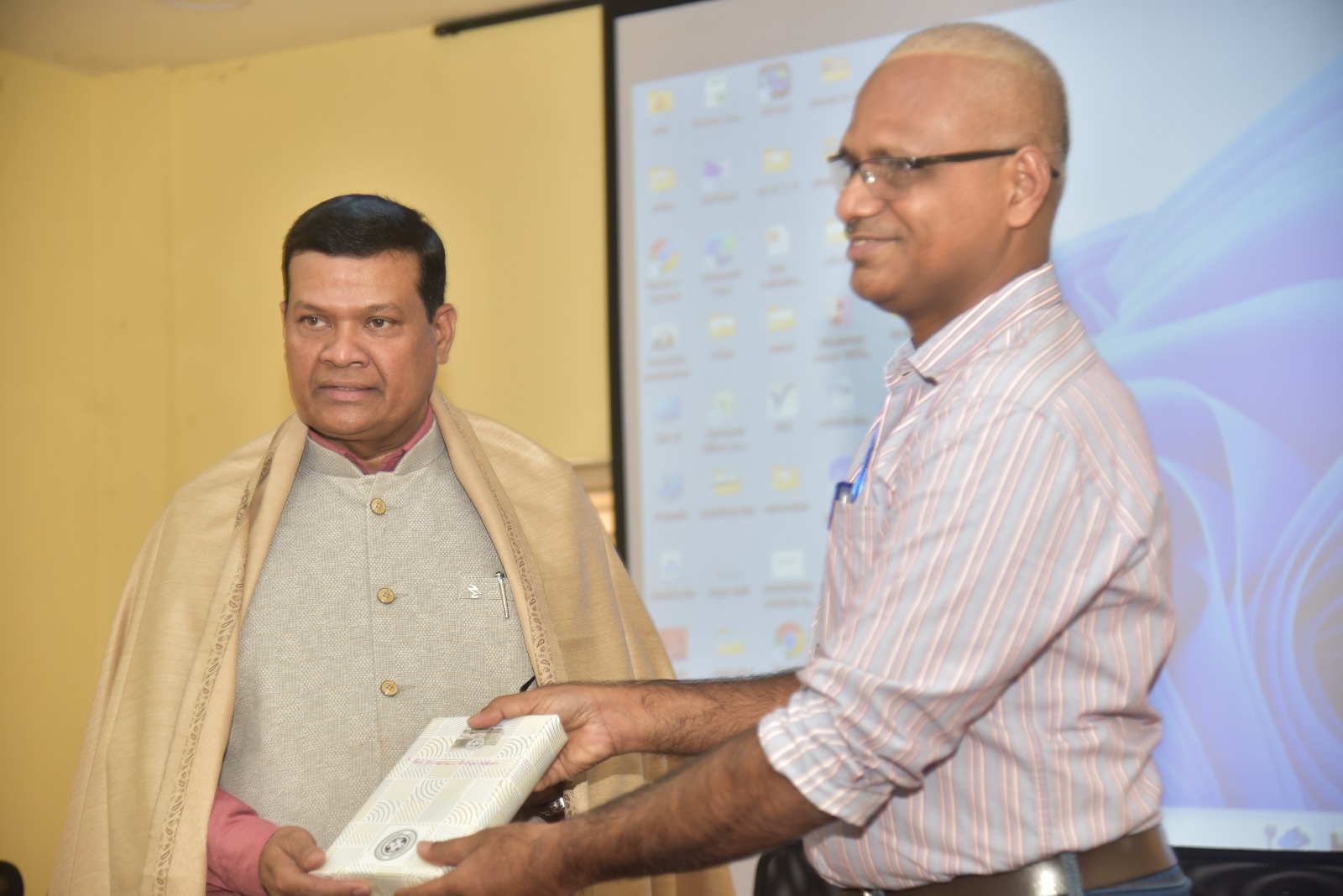
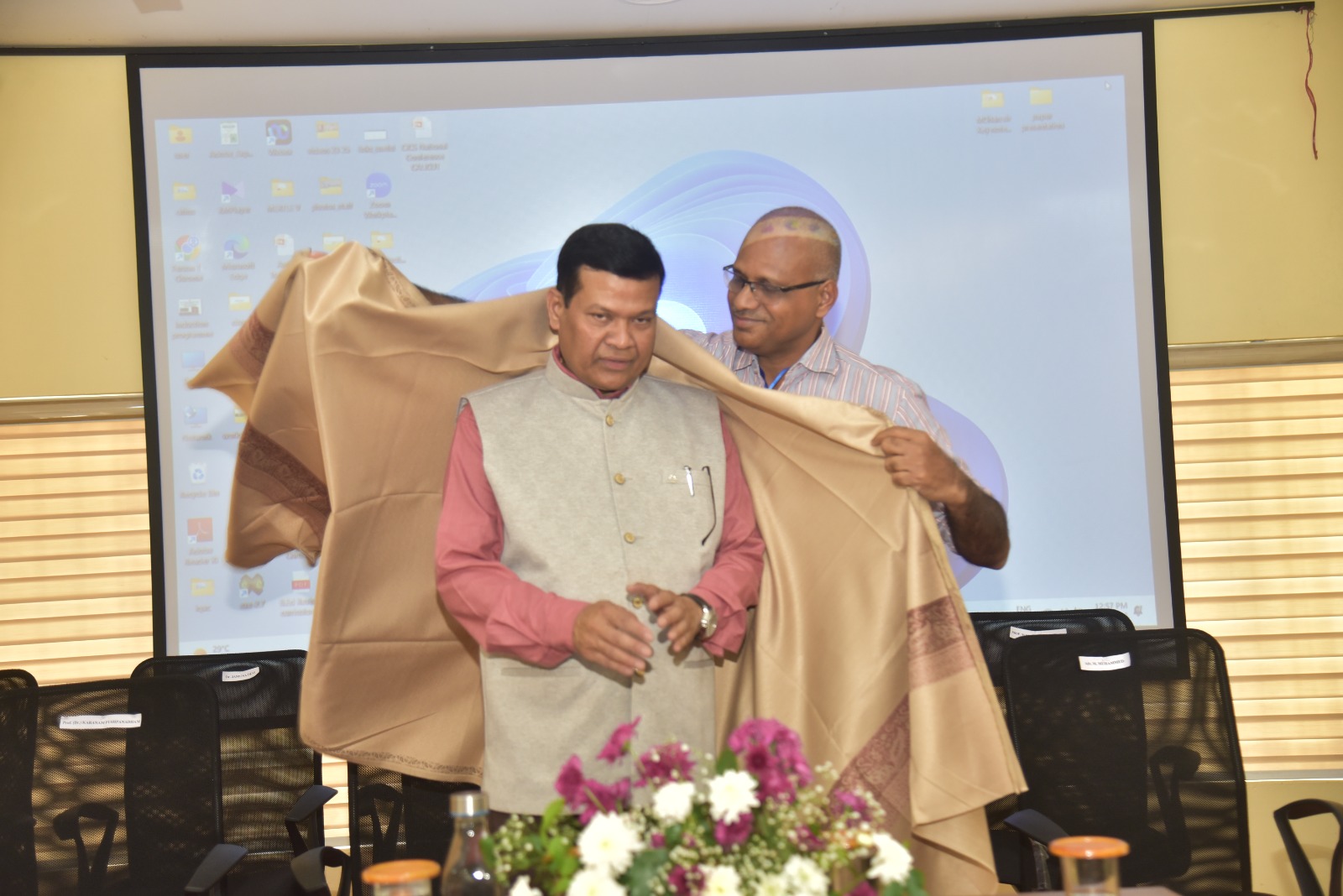
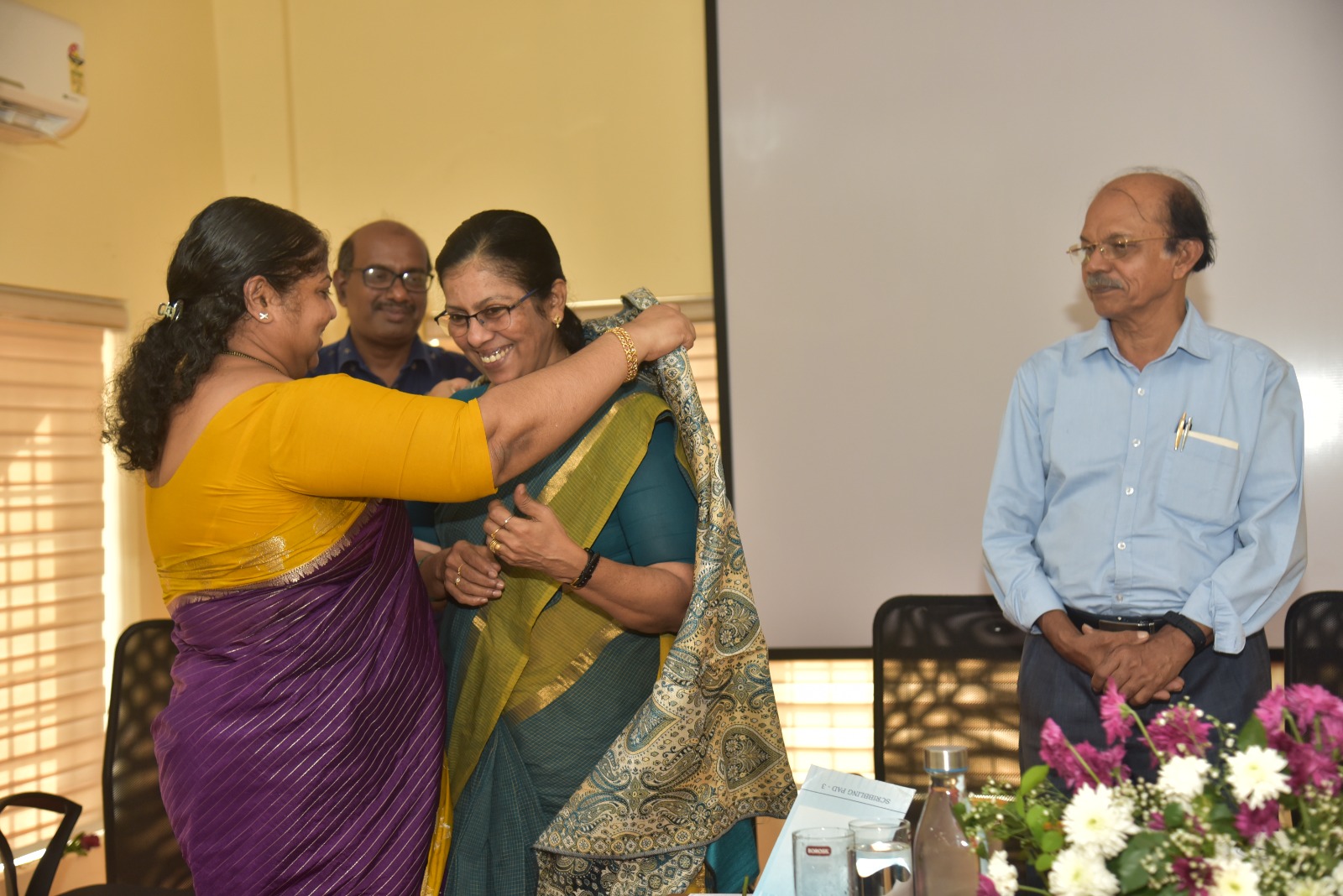
Following the key note speech, Prof. M. Muhammed Basheer, Manager, honoured the Chief Guest.
Mr. Firoz Khan, PTA Secretary, felicitated the event’s timeliness.
Dr. Jamuna Devi, Principal, COITE, Kozhikode, proposed thanks, linking education to human capital and inclusive growth.
Thematic Session and Book Release
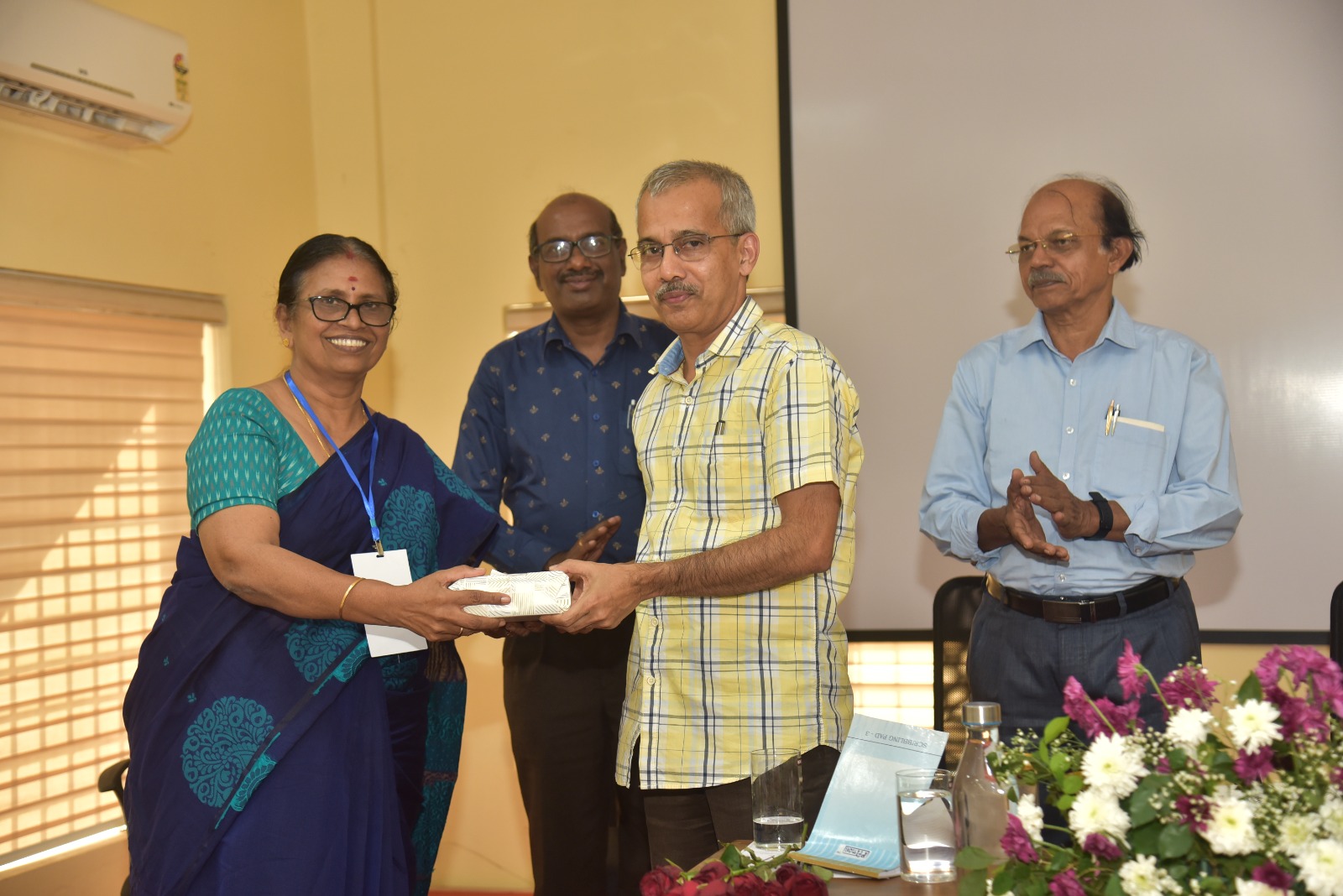
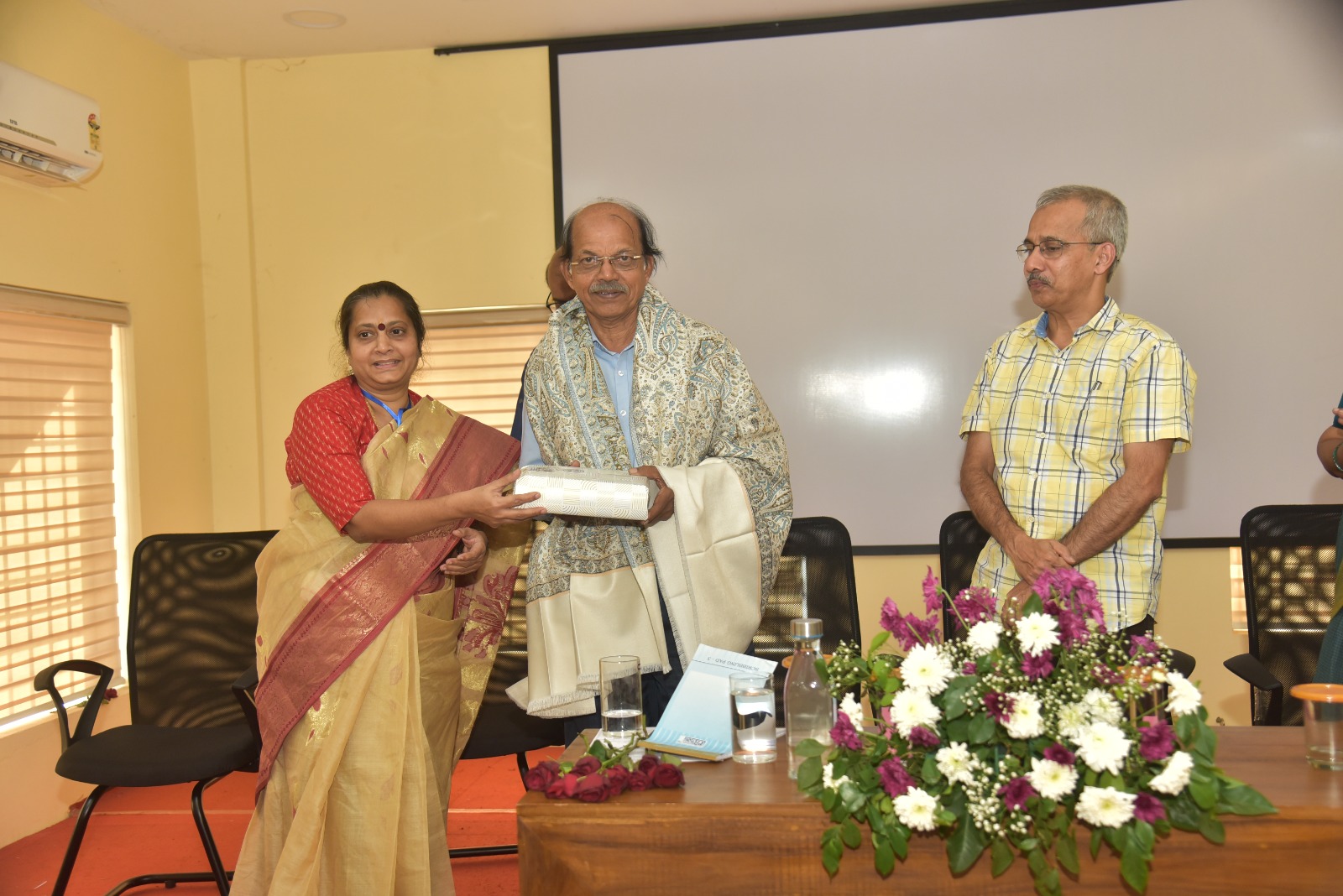
After the Tea break, the Principal Dr.Shylaja C V Principal, CICS CTE released the Conference compendium which was received by Dr. V Reghu, Former Controller of Examinations, Rajiv Gandhi National Institute for Youth Development.
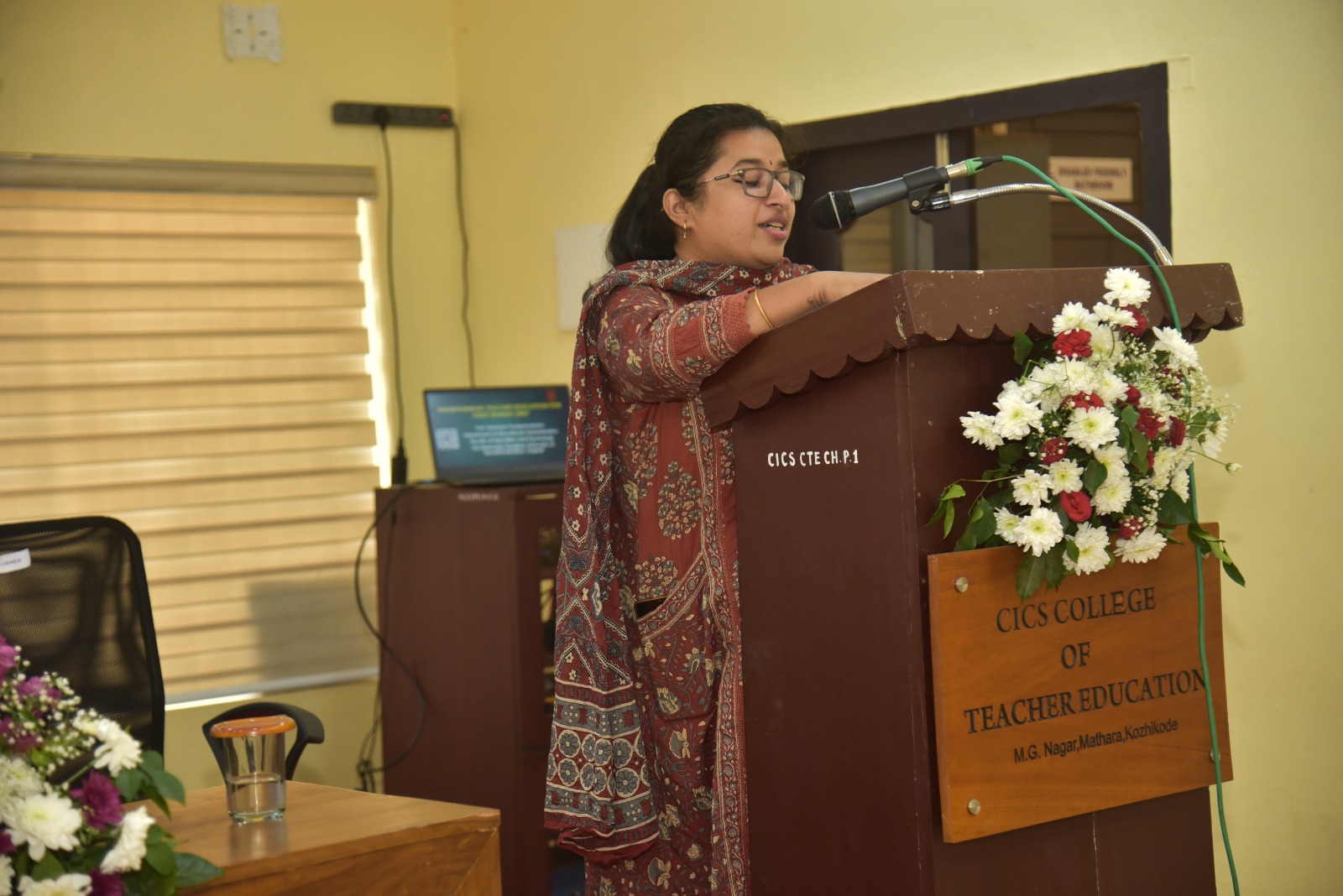
In the ensuing session at 11:30 a.m., Dr. Shimna Suresh, Staff Secretary, introduced and welcomed Prof. Dr. Karanam Pushpanatham for the Thematic Address.
Theme Presentation
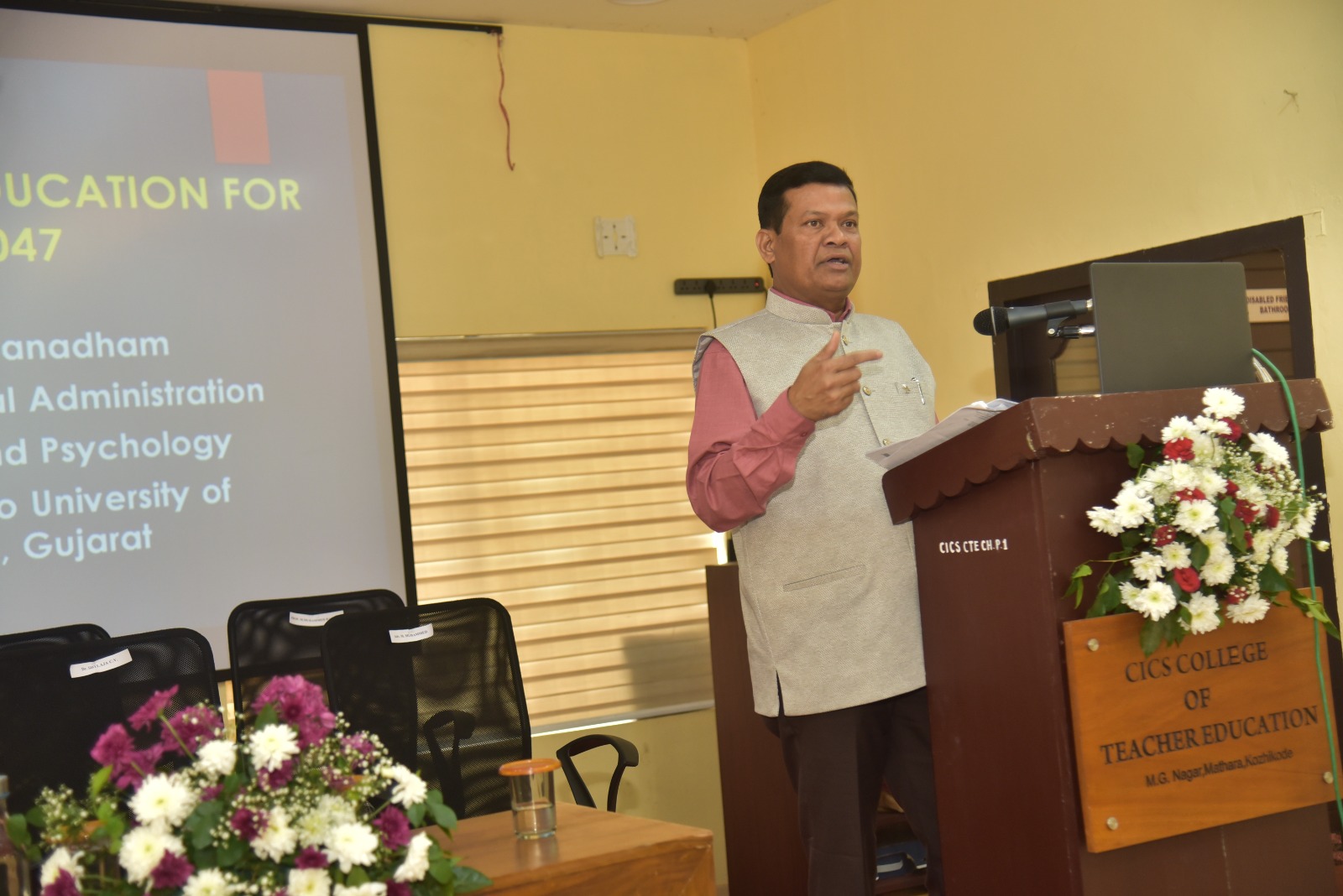
Dr. Karanam Pushpanadham’s presentation, “Transforming Teacher Education for Viksit Bharat – 2047,” drew from recent reports and examples to illustrate education’s evolution from certainty to disruption. He framed teachers as “social transformers” and ITEP as a strategic lever for self-reliance, innovation, and systemic reform.
Professor Pushpanatham's presentation articulated a compelling vision of teacher education as a cornerstone of national development, with particular emphasis on India's transformative Viksit Bharat (Developed India) agenda. The presentation synthesizes policy directives, pedagogical frameworks, and practical implementation challenges, positioning teachers not merely as content deliverers but as architects of national destiny through educational excellence and holistic development.
Core Thematic Architecture
A. Teacher Education as a Strategic Foundation
The presentation establishes teacher education as fundamentally strategic to national development, grounded in three interconnected premises: Teachers determine educational quality - A foundational assertion that quality education hinges exclusively on teacher competency, preparation, and professional orientation.
NEP 2020 Alignment - The presentation grounds recommendations within India's National Education Policy 2020 framework, ensuring contemporary relevance and policy coherence. Multi-Dimensional Teacher Roles - Teachers are characterized beyond traditional instruction roles:Reflective Practitioners - Engaging in critical analysis of their own practice.
Curriculum Designers - Contributing to curriculum development and adaptation. Mentors for Holistic Development - Fostering ethical, intellectual, and skill-based competencies.
B. The Viksit Bharat Vision: Classroom-Centric Development
A particularly compelling dimension of the presentation is the alignment of teacher education with the Viksit Bharat agenda. The key assertion: "Destiny of any nation is shaped in the classrooms" establishes an unambiguous causal relationship:Education as Core Driver - Education is positioned as the foundational pillar of national development. National Outcomes Begin in Classrooms - The vision of a developed India requires three foundational elements:
● Educated Minds - Intellectual development and critical thinking
● Skilled Hands - Practical competencies and vocational readiness
● Ethical Hearts - Moral development and values-based citizenship.
This triadic framework demonstrates sophisticated understanding of holistic human development beyond purely academic metrics.
Pedagogical Policy Integration
A. Integrated Teacher Education Program (ITEP). The presentation emphasizes ITEP as a key NEP 2020 mechanism for:Strengthening disciplinary grounding - Deep subject matter expertiseProfessional preparation - Pedagogical competency developmentIntegrated knowledge systems - Combining traditional and modern educational approaches.
B. Continuous Professional Development (CPD)Recognition of CPD as an ongoing, non-negotiable component of teaching careers, suggesting: Teaching is a continuously evolving profession. Teachers require lifelong learning mechanisms. Professional growth extends beyond initial teacher training
Multidisciplinary Integration Challenge
Professor Pushpanatham presented a sophisticated critique of current teacher education limitations, particularly regarding multidisciplinary integration.
The Core Problem
Professor Pushpanatham identifies a fundamental contradiction in Indian teacher education as the "Weakest Capacities" finding. He presented compelling empirical evidence:Over 70% of TEIs (Teacher Education Institutions) in India function as stand-alone colleges. Multidisciplinary collaboration remains deeply entrenched in faculty silosIntegration remains one of the weakest capacities in Indian university teacher education systems (as of 2022). This represents a significant structural impediment to NEP 2020 implementation.
Operational Fragility Analysis
The presentation identified three dimensions of institutional fragility:Academic Fragility - Limited cross-disciplinary dialogue and integrationOrganizational Fragility - Stand-alone institutional structures impeding collaborationPedagogical Fragility - Faculty capacity limitations in delivering integrated curriculum
Implications For Teacher Education Reformation
Systemic Challenges Identified
Structural Isolation - Majority of TEIs operate independently, limiting knowledge sharing and resource optimization.
Faculty Entrenchment - Discipline-based identity supersedes pedagogical innovation and integration.
Policy-Practice Gap - NEP 2020 envisions integration; reality demonstrates operational resistance
Stakeholder Implications
The presentation highlights includes:
● Policy-Practice Alignment - Effectively connects NEP 2020 aspirations with contemporary institutional realities
● Data-Informed Critique - Uses empirical evidence (70% statistic, 2022 findings) rather than theoretical assertionHolistic
● Vision - Moves beyond teacher training mechanics to broader national development imperatives
Multi-Level Analysis - Addresses individual teacher roles, institutional structures, and national outcomes simultaneously
● Audience Relevance - Content directly addresses B.Ed institutions and teacher educators' professional concerns
● Implementation Pathways - While challenges are clearly articulated, specific mechanisms for integration remain underdeveloped
● Faculty Development Models - Brief discussion of how to transition faculty from discipline-centric to integration-centric identities
● Assessment Frameworks - Evaluation mechanisms for integrated teacher education outcomes could strengthen the argument.
● Institutional Models - Examples of successful multidisciplinary TEI models (within India or internationally) would strengthen practical applicability
● Resistance Analysis - Understanding barriers to integration (administrative, financial, cultural) would inform implementation strategy.
Professor Pushpanatham's presentation articulates a compelling and urgent case for reimagining teacher education as a strategic national priority, moving beyond traditional models toward integrated, multidisciplinary preparation of teachers who can foster holistic human development.
The identification of integration capacity gaps provides both diagnosis and impetus for institutional reform. The presentation's strength lies in connecting classroom-level teaching excellence with national development aspirations while grounding recommendations in contemporary policy and empirical evidence.
However, the path from problem identification to institutional transformation requires additional strategic elaboration.
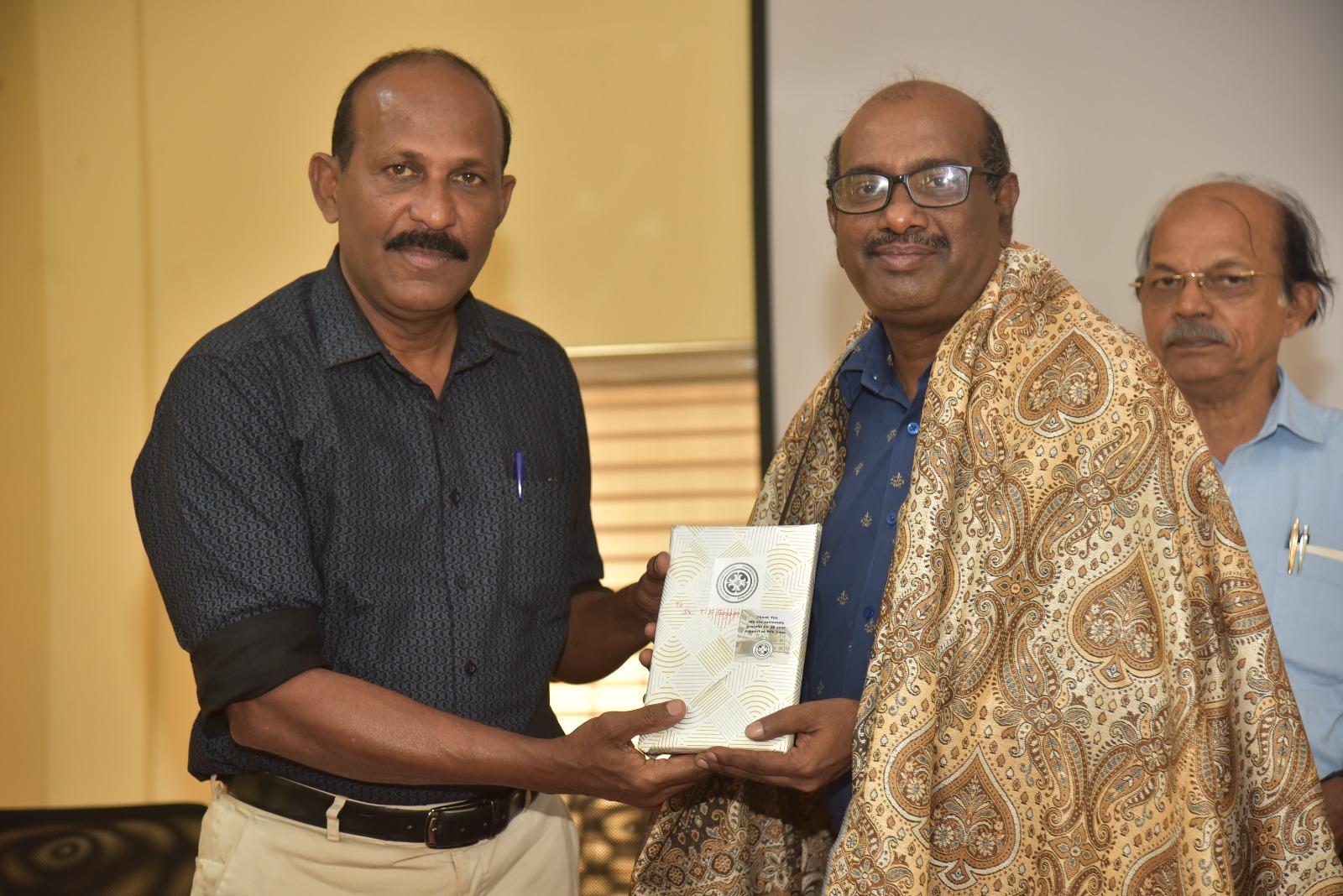
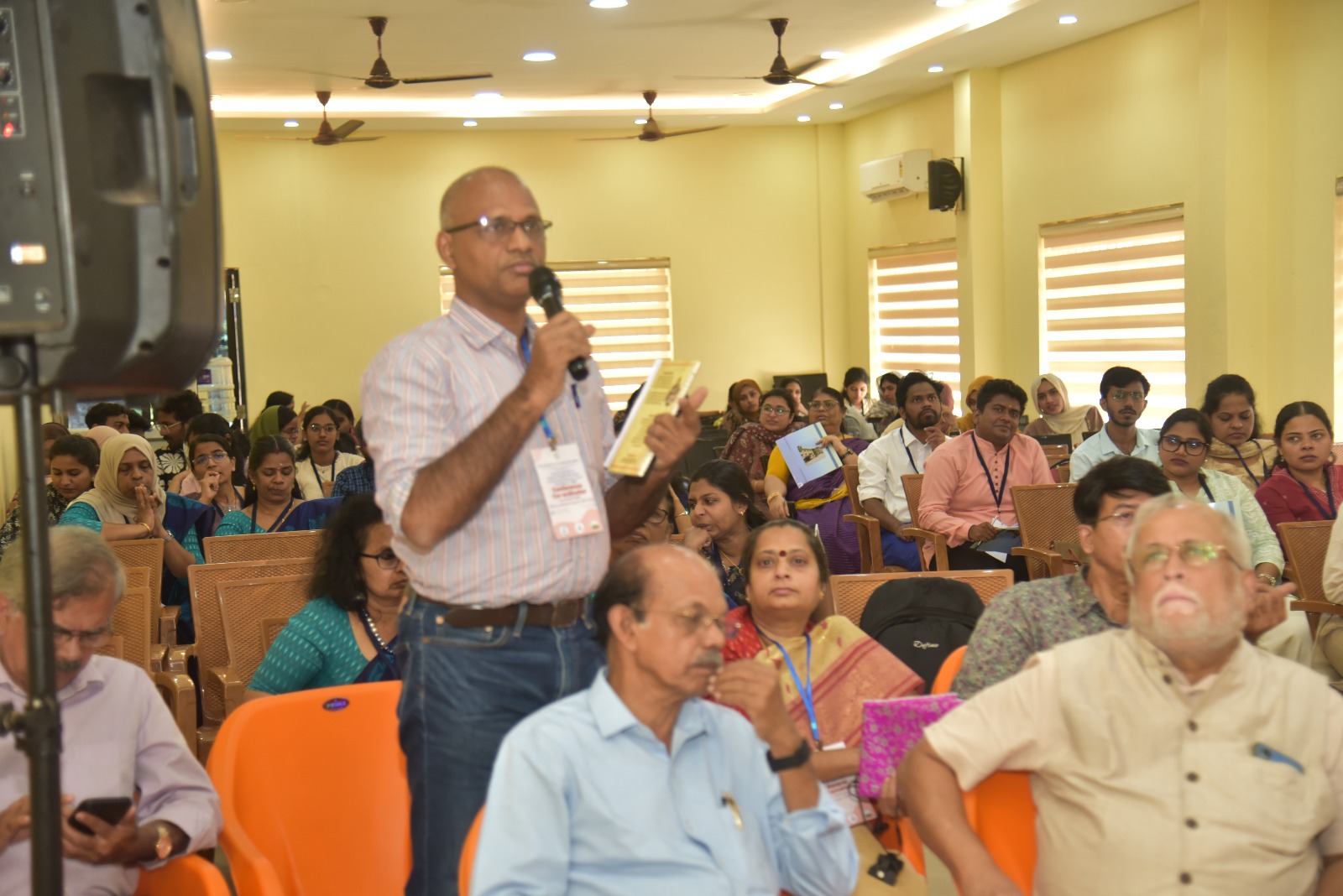
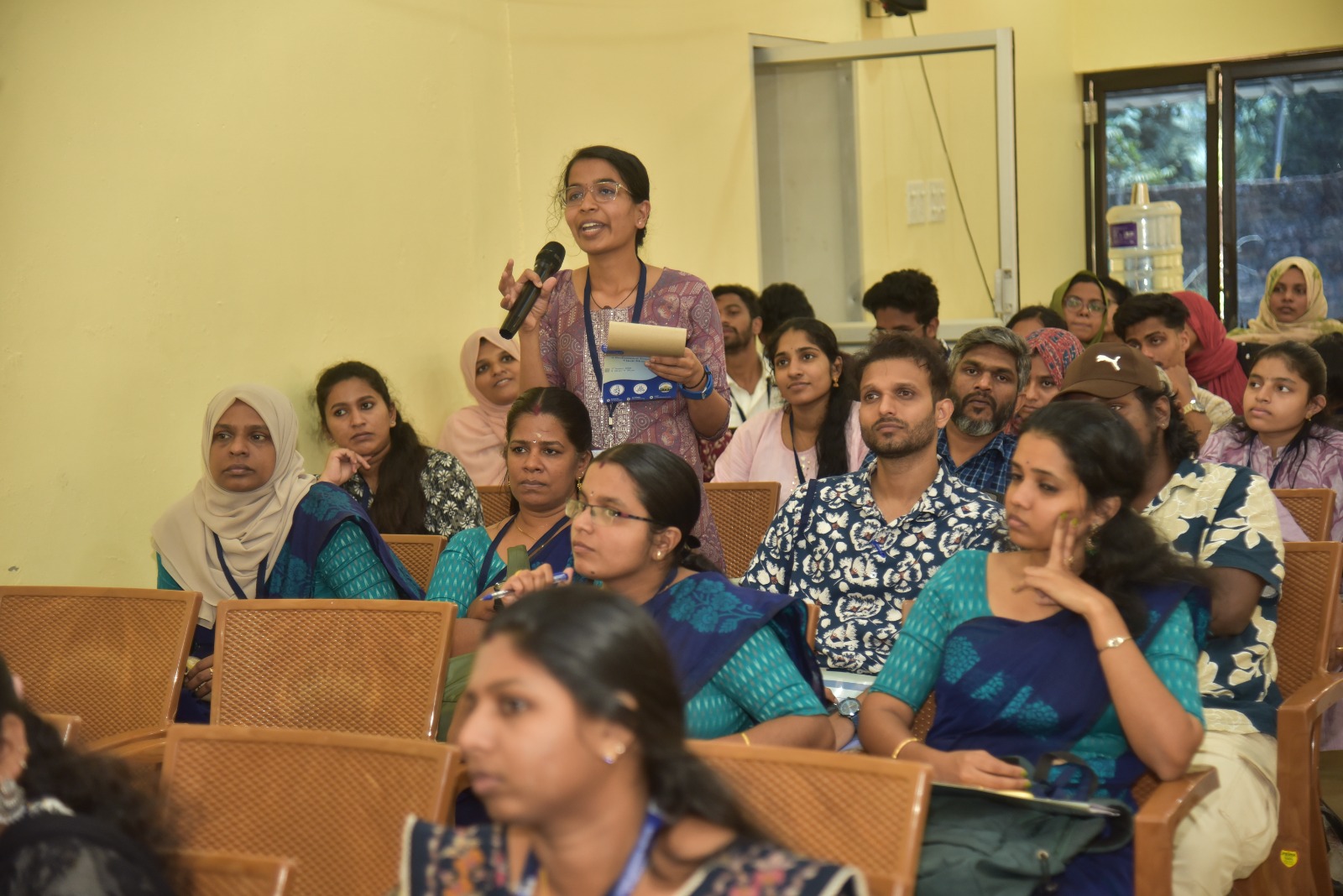
An interactive Q&A followed, with Dr. Rages John honouring Dr. Karnam Pushpanadham. Dr. Roy John V. Assistant Professor of Physical Education, CICS CTE proposed Vote of Thanks.
Lunch Break
Panel Discussion
Resuming at 2:00 p.m., Dr. Rajeev N. J. welcomed the session, chaired by Prof. (Dr.) V. Reghu, Former Controller of Examinations, Rajiv Gandhi National Institute for Youth Development. He stressed democratic pedagogy amid systemic concerns.
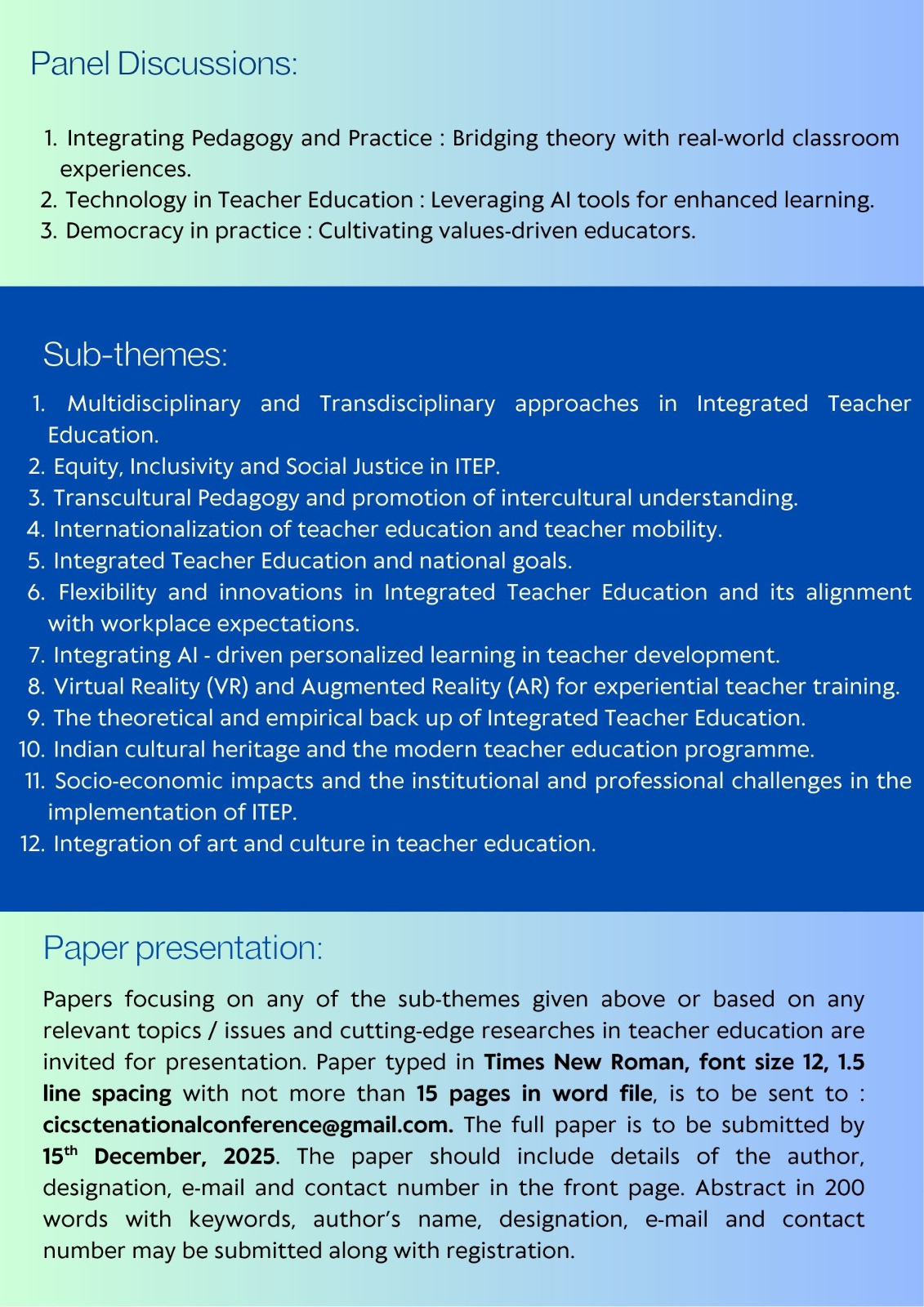
Panelists—Prof. (Dr.) Sanjayan T. S. (GVM’s Dada Vaidya College of Education, Ponda, Goa), Prof. (Dr.) K. Abdul Gafoor (University of Calicut), and Prof. (Dr.) N. S. Mumthas (Former Professor, Farook Training College)—debated ITEP implementation, interdisciplinary challenges, curriculum agility, and future roadmaps.
Key Takeaways from the Panel Discussion
A. Curricular Implications
The programme design should intentionally integrate across disciplines rather than maintaining subject-based silos, particularly for education theory and practice courses.
B. Collaborative Teaching
Consider co-facilitation models that demonstrate multidisciplinary integration to student teachers.
C. Student Teacher Competency
Ensure student teachers graduate with capacity for: Cross-curricular lesson design. Integration of technology, values, and skills alongside content. Reflective, collaborative professional practice.
D. Institutional Advocacy
The presentation validates the urgency for Teacher Education institutions to strengthen interdepartmental collaboration as a strategic priority aligned with NEP 2020.
A substantive, well-reasoned panel discussion and presentation followed advancing critical thinking about teacher education's role in national development while highlighting urgent operational challenges requiring institutional attention and systemic reform.
The insights provided by the Panelists enriched discourse on national development.
Mrs. Myrtle Victor, Vice Principal, delivered a Vote of Thanks.
Paper Presentation Sessions
Parallel sessions showcased 22 rigorous presentations. Session I in Conference Hall and Session II in Seminar Hall, chaired by Dr. Rajeev NJ and Dr. Jamuna Devi.
• Vaibhavi S. Devidas: Blending Art and Culture into Teacher Education
• Beverly Rodrigues: Integration of Art and Culture in Teacher Education (ITEP)
• Sohani Pandurang Gawade: Indian Culture and Modern Teacher Education Programme
• Vikranth Harmalkar: Equity, Inclusivity and Social Justice in ITEP
• Bhakti Durgaprasad Paranjape: ITEP with Global Education Model
• Pranjali Dhargalkar: Role of Virtual Laboratories in Promoting Scientific Competencies
• Dr. Dileesh K.: Teacher Education Transformation: From Justice Verma Commission to ITEP
• Maya Murali: Leveraging Plant Neuro-Biology for Cognitive Learning
• Ishara P. Zaina: Integration of Art and Culture in Teacher Education
• Farzana: Role of ITEP in Integrated Science Education in India Session II (Seminar Hall):
• Jovan Savio Jose Dias et al.: Challenges in the Implementation of ITEP
• Farzana Madapur: Integrated Teacher Education and National Goals
• Nandini Shaji: AI Integration in ITEP
• Saili Vighnesh Naik: Art and Culture in Teacher Education
• Ruhi Phadte & Reshmi Sawant: Teacher Education Reforms and Marginalized Communities
• Maya C.: Teaching Narayaniyam: An IKS-based OBTL Lesson Plan
• Dr. Narayanan P.: Multilingual Teacher Education under NEP 2020
• Hishana Nasrin C.: Bridging Content and Pedagogy
• Reethu Krishna: Redefining Teacher Professionalism through ITEP
• Dhanya T. & Divya K. M.: Transcultural Pedagogy for Identity Development
• Athul: Multi-disciplinary Approaches in Preparing 21st-Century Teachers
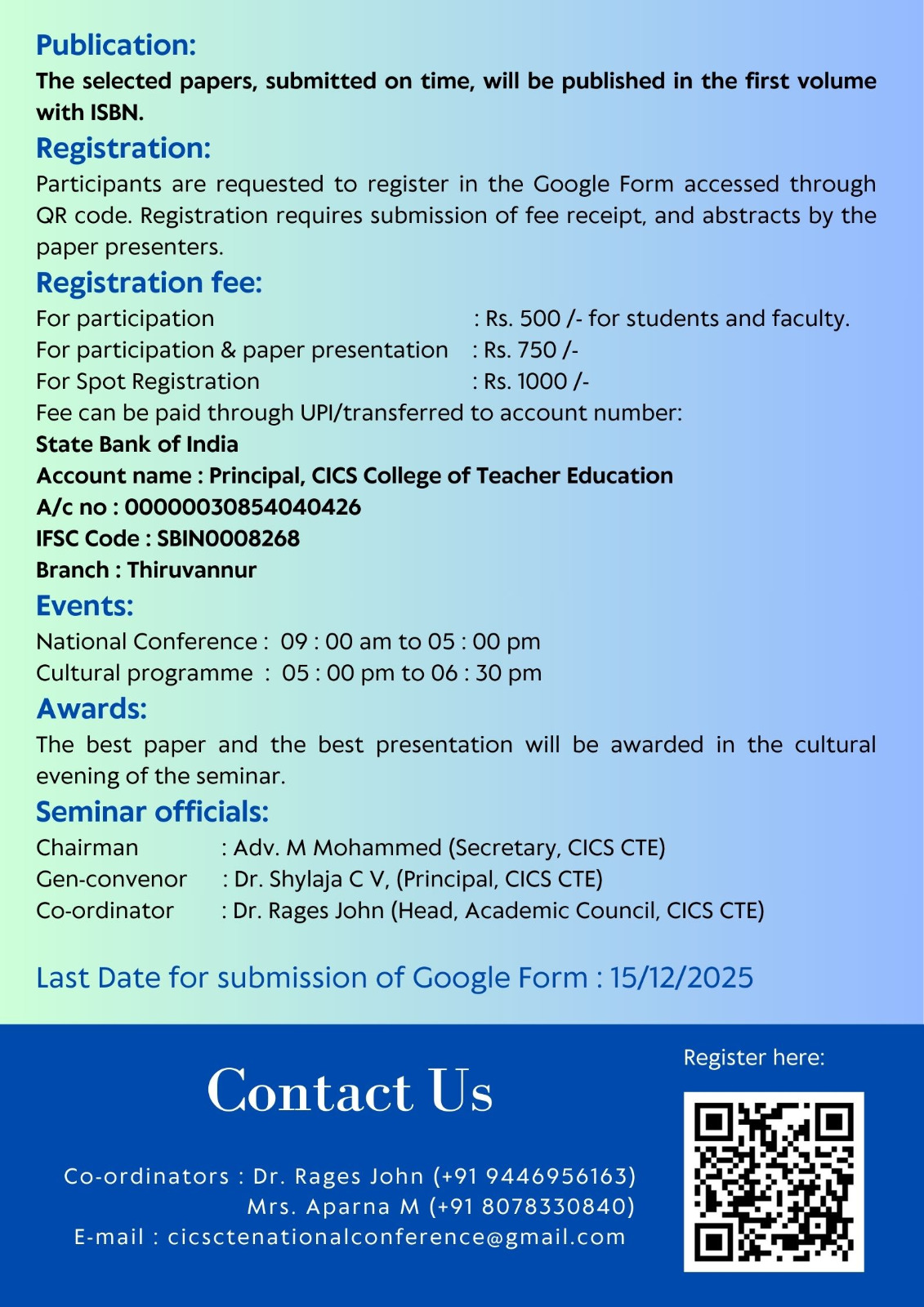
Dr. Rages John, Conference Coordinator announced the awards for Best Paper Presentations. The awards were received by Dr. Dileesh K. and Farzana Madapur
Valedictory Session Proceedings
The valedictory proceedings commenced with an address by Prof. M. Muhammed Basheer, who extended a formal welcome to dignitaries, participants, and the academic community, marking the culmination of the National Conference on Teacher Education hosted by CICS College of Teacher Education.
Chief Guest’s Address
Sri. P. T. A. Rahim, MLA representing the Kunnamangalam constituency in Kozhikode District and former Pro-tem Speaker of the Kerala Legislative Assembly, served as Chief Guest. In his address, he eloquently affirmed the pivotal role of educators in nation-building, underscoring their contributions to societal progress, ethical formation, and sustainable development in alignment with national educational imperatives such as NEP 2020. Conference Synthesis and Acknowledgements
Dr. Rages John, the conference cordinator and Head of the Academic Council at CICS College of Teacher Education, delivered a comprehensive synthesis of conference deliberations, encapsulating key insights from thematic presentations, policy discourses, and collaborative exchanges. He extended sincere gratitude to all participants, resource persons—including Prof. Karanam Pushpanatham and Prof. Dr. Mohan B. Menon—organizing committees, and institutional partners for their substantive contributions to advancing teacher education discourse.
Cultural Culmination
The proceedings concluded with an ensemble of vibrant cultural performances curated by students of CICS College of Teacher Education and the COITE, exemplifying artistic creativity, cultural harmony, and the holistic ethos of teacher preparation. These performances served as a fitting denouement, reinforcing the conference's commitment to nurturing well-rounded educators capable of fostering inclusive learning environments.
In conclusion, the conference catalyzed discourse on ITEP’s pivotal role in Viksit Bharat, fostering actionable insights for teacher education reform. At the conference, speakers repeatedly invoked this trajectory, citing historical shifts from survival education to innovation hubs, positioning the conference as a clarion call for policy imperatives like those from the Justice Verma Commission.
-Dr. Rages john
(Conference co-ordinator)